


Unlocking Value: The Pivotal Role of Big Data in IoT Platforms
The proliferation of interconnected devices has transformed the industrial and consumer landscapes, making Big Data in IoT Platforms not just a concept, but an indispensable foundation for modern operations. As billions of sensors, machines, and smart devices generate an unprecedented torrent of information, robust IoT Platform Big Data solutions are paramount for extracting actionable intelligence. This article delves into the intricate architecture, core functionalities, inherent challenges, and profound business value that make IoT Platform Big Data a cornerstone of digital transformation.
Introduction: Navigating the Deluge of IoT Data
The Internet of Things (IoT) has ushered in an era of ubiquitous connectivity, where everything from smart homes to industrial machinery is equipped with sensors continuously transmitting data. This exponential growth in data volume, velocity, and variety presents both immense opportunities and significant challenges. Traditional data processing systems are often overwhelmed by the scale and real-time demands of IoT data streams. This is where dedicated IoT Platform Big Data solutions emerge as critical enablers, designed specifically to ingest, process, store, and analyze vast quantities of machine-generated information.
At its core, an IoT Platform Big Data system, often a cloud-native and event-driven architecture, acts as a central nervous system for connected ecosystems. It integrates diverse data sources, from edge devices to enterprise applications, facilitating real-time analytics and intelligent automation. The objective of this deep dive is to explore the technological underpinnings that allow these platforms to transform raw sensor readings into valuable insights, driving efficiency, innovation, and new business models across various sectors.
Core Breakdown: Architecture and Functionality of IoT Platform Big Data
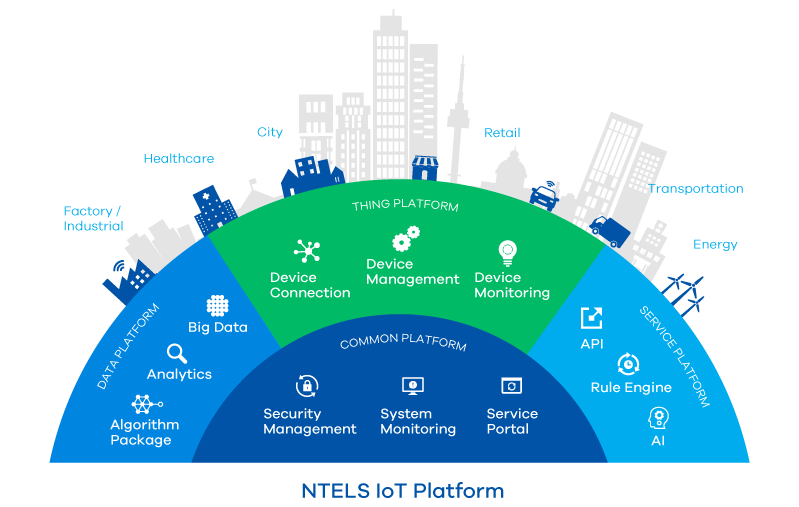
An effective IoT Platform Big Data architecture is a sophisticated amalgamation of various components working in concert to manage the entire data lifecycle. These platforms typically leverage a combination of cloud computing, edge computing, and advanced analytics to deliver comprehensive capabilities.
Key Architectural Components:
- Data Ingestion & Connectivity: This is the gateway for all IoT data. It must support a multitude of protocols (MQTT, AMQP, HTTP/S) and device types, ensuring secure and scalable collection of data from potentially millions of devices. This layer is responsible for device identity and access management, a crucial security feature.
- Edge Computing: To reduce latency, bandwidth costs, and improve responsiveness, a significant portion of data processing occurs at the edge, closer to the data source. Edge AI/ML model deployment allows for real-time anomaly detection and preliminary data filtering, sending only relevant data to the cloud for deeper analysis.
- Streaming Data Processing: Given the high velocity of IoT data, real-time analytics platforms are essential. Technologies like Apache Kafka, Spark Streaming, or Flink process data streams on the fly, enabling immediate insights and triggering automated actions based on predefined rules or real-time anomaly detection.
- Data Lake & Storage: For long-term storage and batch processing, a scalable data lake is indispensable. This component, often built on cloud storage services, accommodates structured, semi-structured, and unstructured data from diverse IoT sources. Schema management for sensor data is vital here to ensure data quality and usability for downstream analytics.
- Big Data Analytics & Machine Learning: This layer is where the magic happens. It employs advanced AI and machine learning algorithms to extract patterns, predict events (e.g., predictive maintenance models), and generate actionable intelligence. This includes everything from simple aggregations to complex deep learning models for image or audio analysis from IoT devices.
- Application & Visualization: User-facing dashboards, APIs, and applications allow businesses to interact with the processed data, monitor device health, visualize trends, and integrate insights into existing enterprise systems.
Challenges and Barriers to Adoption:
Despite the immense potential, deploying and managing Big Data in IoT Platforms comes with its own set of significant hurdles:
- Data Volume, Velocity, and Variety (3Vs): The sheer scale, speed, and disparate formats of IoT data can overwhelm traditional systems and even pose challenges for modern platforms if not architected correctly. Managing this diversity requires sophisticated data ingestion and schema management capabilities.
- Data Quality and Veracity: Sensor data can be noisy, inaccurate, or incomplete. Ensuring data quality for AI is crucial for the reliability of predictive models and analytical outcomes. Data cleansing and validation mechanisms are vital.
- Security and Privacy: Securing billions of IoT devices, their communication channels, and the vast amounts of sensitive data they generate is a paramount concern. Robust data encryption, device identity and access management, and adherence to strict data privacy regulations (e.g., GDPR, CCPA) are non-negotiable.
- Interoperability: The lack of standardized protocols and data formats across different IoT devices and manufacturers creates integration complexities. Platforms must be flexible enough to handle this fragmentation.
- MLOps Complexity at Scale: Deploying, managing, and monitoring machine learning models across a distributed IoT ecosystem, including edge devices, introduces significant MLOps challenges. Model drift, versioning, and continuous retraining require robust automation and management tools.
- Cost of Infrastructure: The compute and storage resources required to manage massive IoT datasets can be substantial, especially for on-premises deployments. Cloud-native architectures offer scalability but require careful cost optimization.
Business Value and ROI:
Overcoming these challenges unlocks substantial business value, delivering a strong return on investment:
- Predictive Maintenance: By analyzing real-time sensor data, AI/ML models can predict equipment failures before they occur, reducing downtime, optimizing maintenance schedules, and extending asset lifespan.
- Operational Efficiency: Real-time monitoring and analytics enable businesses to optimize resource utilization, streamline processes, and identify bottlenecks, leading to significant cost savings and productivity gains.
- Enhanced Customer Experiences: Understanding usage patterns and device performance allows companies to offer personalized services, proactive support, and innovative product features, improving customer satisfaction and loyalty.
- New Revenue Streams: Insights from IoT data can lead to the development of entirely new services, products, and business models, transforming industries and opening up new market opportunities.
- Improved Decision Making: Data-driven insights replace guesswork, empowering executives and operational teams to make faster, more informed decisions with higher confidence.
- Data Quality for AI: By providing clean, contextualized, and real-time data, IoT Platform Big Data directly fuels the accuracy and effectiveness of AI and machine learning initiatives, accelerating time to insight.

Comparative Insight: IoT Platform Big Data vs. Traditional Data Architectures
To truly appreciate the distinct advantages of Big Data in IoT Platforms, it’s essential to compare them with more traditional data architectures like data lakes and data warehouses. While these traditional systems have their merits for enterprise data, they often fall short when confronted with the unique demands of IoT data.
Traditional Data Warehouses:
Designed for structured, batch-processed data, data warehouses excel at historical reporting and business intelligence. They rely on pre-defined schemas and ETL (Extract, Transform, Load) processes. This model is inherently unsuitable for the real-time, high-velocity, and often unstructured nature of IoT data. The fixed schemas struggle with the diverse and evolving data formats from millions of devices, and batch processing introduces unacceptable latency for critical operational insights.
Traditional Data Lakes:
Data lakes offer greater flexibility, capable of storing vast amounts of raw, multi-structured data without a pre-defined schema. This makes them better suited for exploratory analytics and machine learning. However, a pure data lake still primarily focuses on storage rather than real-time stream processing and device management. While they can be a component of an IoT architecture, they lack the integrated device connectivity, real-time ingestion pipelines, and specialized IoT protocols necessary to function as a complete IoT Platform Big Data solution.
The IoT Platform Big Data Distinction:
An IoT Platform Big Data, on the other hand, is purpose-built for the IoT ecosystem. Its key distinguishing features include:
- Real-time Stream Processing: From the ground up, these platforms are engineered to handle continuous, high-volume data streams, enabling immediate insights and actions.
- Device Management & Connectivity: They provide robust capabilities for registering, authenticating, monitoring, and managing the lifecycle of millions of devices, including secure communication.
- Edge-to-Cloud Continuum: Seamless integration between edge computing for localized processing and cloud infrastructure for centralized analytics and storage is a fundamental aspect.
- Protocol Diversity: Native support for IoT-specific communication protocols ensures efficient and reliable data transmission from a vast array of devices.
- Specialized AI/ML for IoT: Integration of AI/ML services optimized for time-series data, anomaly detection, and predictive modeling, tailored for operational technology (OT) and IoT use cases.
- Robust Data Governance for Devices: Features like device identity management, secure over-the-air (OTA) updates, and end-to-end data encryption are built-in, addressing the unique security challenges of IoT.
While data lakes and warehouses serve as valuable components for certain aspects (e.g., historical archiving or aggregated BI), they require significant augmentation to meet the demands of a comprehensive IoT Platform Big Data strategy. The latter offers a holistic, integrated environment that dramatically simplifies the complexities of managing and deriving value from the IoT data explosion.

World2Data Verdict: The Imperative for Integrated IoT Big Data Strategies
The journey into the full potential of IoT is inextricably linked to the mastery of its data. World2Data.com asserts that for organizations to truly harness the power of connected devices, merely collecting data is insufficient. The strategic imperative lies in adopting a comprehensive and integrated IoT Platform Big Data strategy that treats data as a first-class citizen from edge to cloud.
Future success will hinge upon platforms that not only scale to accommodate the ever-increasing volume of IoT data but also embed advanced analytics, AI, and robust security measures at every layer. Organizations must prioritize platforms that offer seamless integration between edge and cloud computing, support diverse protocols, and provide intuitive tools for data governance, real-time anomaly detection, and predictive maintenance. The market will continue to consolidate around robust offerings from major cloud providers like AWS IoT, Microsoft Azure IoT Hub, Google Cloud IoT, and specialized industrial players like Siemens MindSphere, which offer end-to-end capabilities. The recommendation is clear: invest in a future-proof IoT Platform Big Data that not only addresses current data challenges but also provides the agility and intelligence needed to innovate and adapt in a rapidly evolving connected world.