

Sales Analytics: Improving Revenue with Actionable Insights
- Platform Category: Business Intelligence Platforms, CRM Analytics, Data Warehouses
- Core Technology/Architecture: Cloud Data Warehousing, ETL/ELT Pipelines, Machine Learning Models, Data Visualization Tools
- Key Data Governance Feature: Role-Based Access Control, Data Quality Management, Data Lineage Tracking, Data Privacy Compliance
- Primary AI/ML Integration: Predictive Sales Forecasting, Lead Scoring, Customer Churn Prediction, Product Recommendation Engines
- Main Competitors/Alternatives: Salesforce Analytics Cloud, Microsoft Dynamics 365 Sales Insights, Tableau, Power BI, Google Looker
Sales Analytics: Improving Revenue with Actionable Insights is more than just a strategic approach; it’s the cornerstone for any business aiming to thrive in today’s dynamic marketplace. Understanding customer behavior, predicting market shifts, and optimizing team performance through data are no longer options but essential disciplines. Sales analytics offers the precise lens required to convert raw data into powerful, executable strategies that directly enhance financial outcomes. This deep dive explores how leveraging sophisticated Sales Analytics capabilities can fundamentally transform an organization’s approach to revenue generation and market penetration.
Introduction: Unlocking Sales Potential with Data-Driven Strategies
In an increasingly competitive global economy, the ability to make informed, timely decisions is paramount for business survival and growth. Traditional sales methodologies, often reliant on intuition and historical anecdotal evidence, are proving insufficient against the backdrop of rapidly changing consumer behaviors and market dynamics. This is where Sales Analytics emerges as an indispensable tool, providing a systematic and data-driven approach to understanding, predicting, and optimizing sales performance. It’s the methodical process of examining sales data to uncover patterns, evaluate team efficacy, identify market trends, and accurately forecast future sales. The objective of this article is to dissect the intricate layers of modern Sales Analytics platforms, highlighting their core components, the challenges they address, and the significant business value they deliver. By integrating robust analytical frameworks, companies can move beyond reactive decision-making to proactive, strategic planning, ensuring sustained revenue growth and a distinct competitive edge.
Core Breakdown: The Architecture and Power of Modern Sales Analytics Platforms
Modern Sales Analytics platforms are sophisticated ecosystems built upon a foundation of robust data infrastructure, advanced analytical capabilities, and intuitive visualization tools. Their primary function is to transform disparate sales-related data into a cohesive, actionable narrative that empowers sales leaders and representatives alike. At its heart, an effective Sales Analytics system integrates data from a multitude of sources, orchestrates complex analytical processes, and presents findings in an easily digestible format.
Key Components of an Effective Sales Analytics System:
- Data Collection and Integration: This foundational layer involves gathering raw sales data from various touchpoints. This includes transactional data from CRM systems (e.g., Salesforce, Microsoft Dynamics), ERP systems (e.g., SAP, Oracle), marketing automation platforms, customer service interactions, website analytics, and external market data. ETL (Extract, Transform, Load) or ELT (Extract, Load, Transform) pipelines are critical here, ensuring data is cleaned, standardized, and aggregated into a centralized data warehouse or data lake, often leveraging cloud data warehousing solutions like Snowflake, Google BigQuery, or Amazon Redshift. Robust data quality management is paramount at this stage to prevent “garbage in, garbage out” scenarios.
- Data Storage and Management: A scalable and secure data infrastructure, typically a data warehouse or data lake, is essential for storing vast quantities of historical and real-time sales data. These platforms are optimized for complex queries and analytical workloads, providing the backbone for rapid insight generation. Modern solutions often utilize cloud-native architectures for flexibility, scalability, and cost-effectiveness.
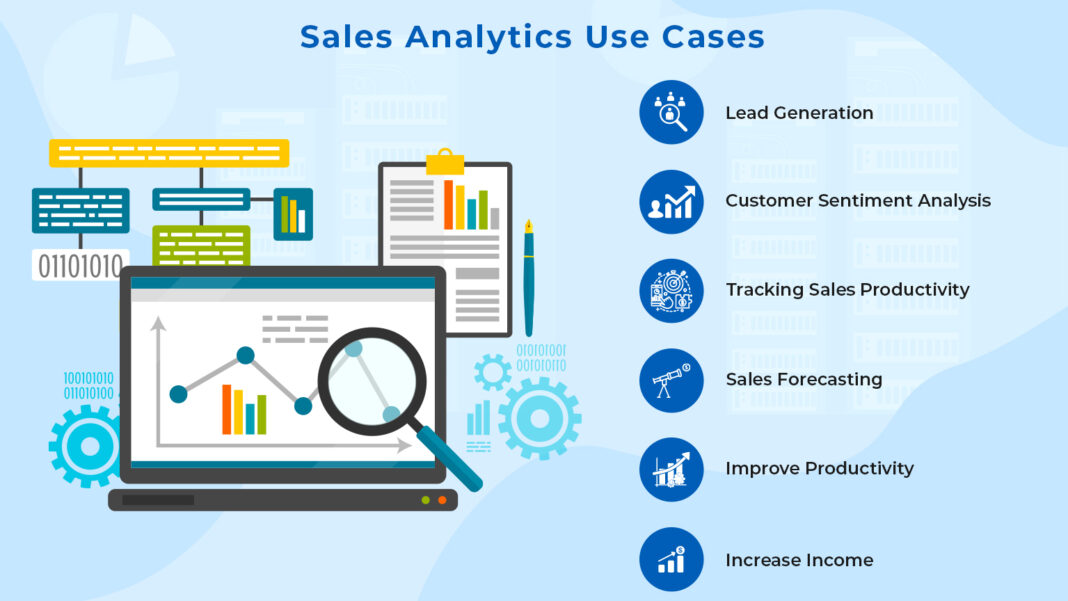
- Advanced Analytics and Machine Learning Models: This is where raw data is converted into intelligence.
- Predictive Sales Forecasting: Machine learning models analyze historical sales trends, seasonality, external economic indicators, and pipeline data to predict future sales volumes and revenues with higher accuracy than traditional methods.
- Lead Scoring and Prioritization: AI algorithms evaluate leads based on demographic information, behavioral data, and engagement patterns to assign a score, helping sales teams focus on the most promising prospects.
- Customer Churn Prediction: Identifying customers at risk of leaving allows businesses to proactively engage with retention strategies, saving significant revenue.
- Product Recommendation Engines: Analyzing past purchases and browsing behavior to suggest relevant products, facilitating cross-selling and upselling opportunities.
- Sentiment Analysis: Processing customer feedback from various channels to gauge satisfaction and identify areas for improvement.
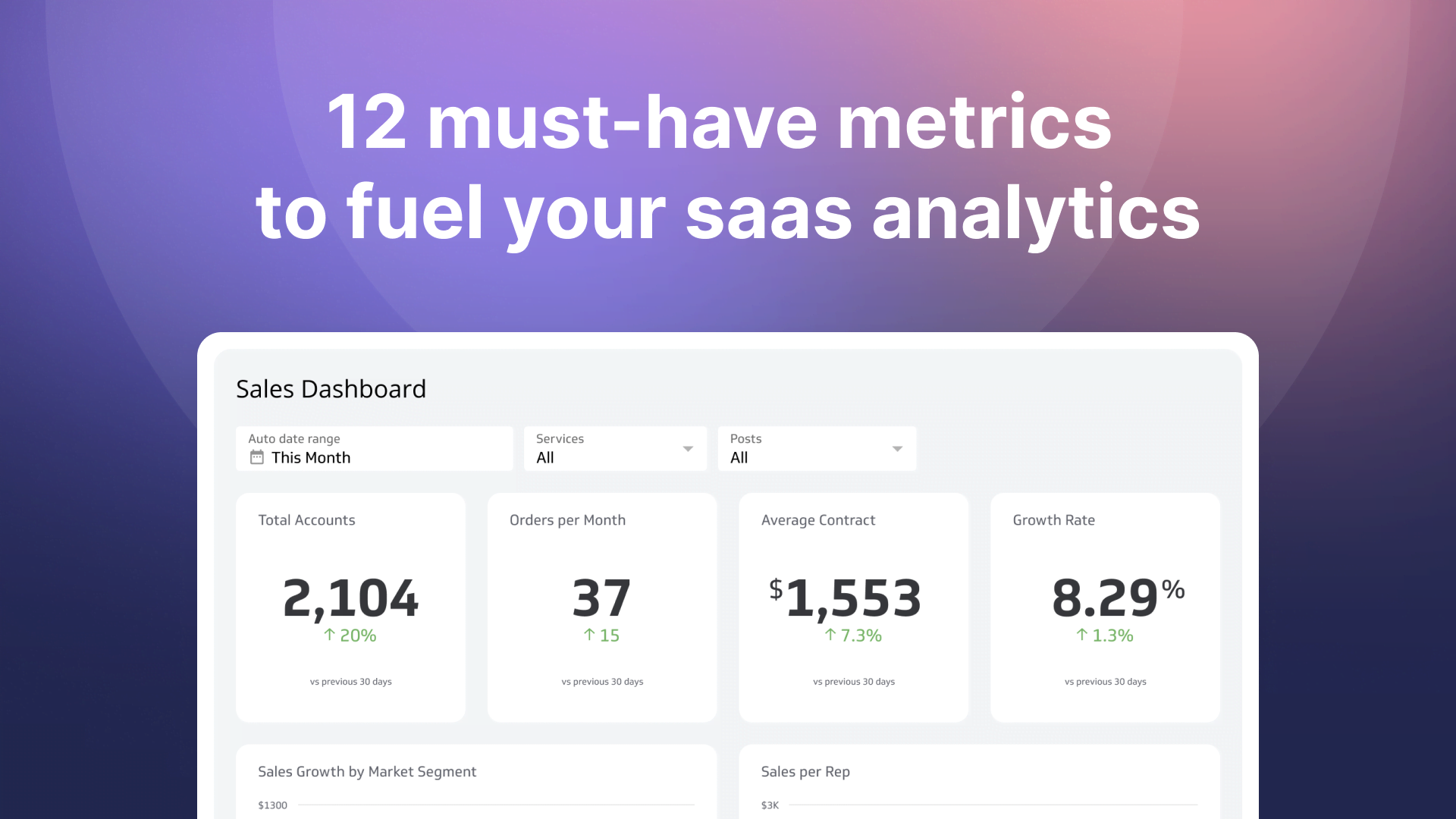
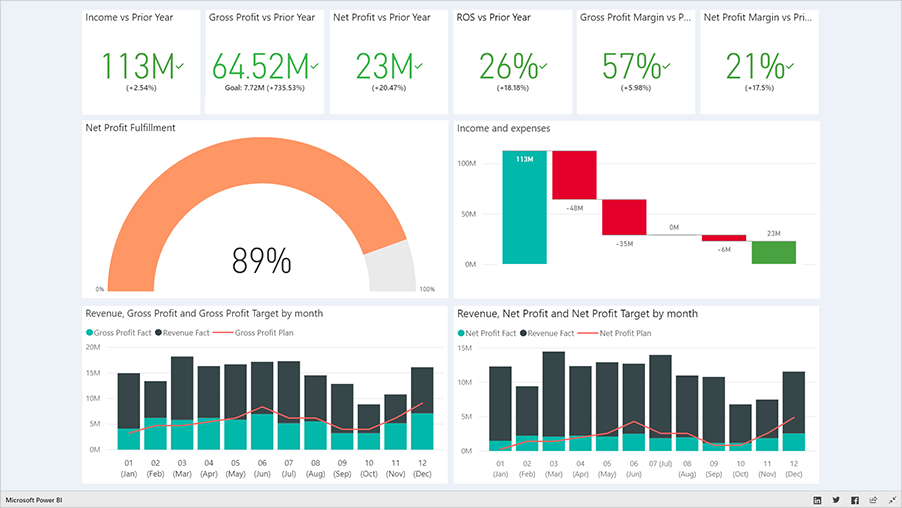
- Data Visualization and Reporting: Interactive dashboards and reports, often powered by Business Intelligence Platforms like Tableau, Power BI, or Google Looker, present complex data in an intuitive, visual format. These tools enable users to drill down into specific metrics, identify trends, and understand performance at a glance. Real-time capabilities are crucial for agile decision-making.
- Actionable Insights and Recommendations: Beyond just presenting data, advanced sales analytics platforms offer prescriptive analytics, suggesting specific actions based on the insights derived. This could include optimal pricing strategies, ideal sales territory assignments, or personalized outreach campaigns.
Challenges and Barriers to Adoption in Sales Analytics:
Despite its immense potential, implementing and maximizing the value of Sales Analytics comes with its own set of hurdles:
- Data Silos and Integration Complexity: Data often resides in disparate systems (CRM, ERP, marketing, finance), making unified analysis challenging. Integrating these diverse sources requires significant effort, technical expertise, and robust ETL/ELT pipelines.
- Data Quality Issues: Inaccurate, incomplete, or inconsistent data can lead to flawed insights and erroneous decisions. Maintaining high data quality through cleansing, validation, and governance protocols is a continuous challenge.
- Lack of Data Literacy and Skill Gaps: Even with powerful tools, a lack of understanding among sales teams on how to interpret and act upon data insights can hinder adoption and effectiveness. Training and fostering a data-driven culture are essential.
- Resistance to Change: Sales professionals accustomed to traditional methods may resist adopting new, data-centric workflows, viewing analytics as an additional burden rather than an empowerment tool.
- Cost and Complexity of Implementation: Setting up and maintaining sophisticated sales analytics infrastructure, including cloud data warehousing, advanced ML models, and BI tools, can be a significant investment in terms of both capital and human resources.
- Data Privacy and Compliance: Managing sensitive customer data requires strict adherence to regulations like GDPR and CCPA, necessitating robust data governance features such as role-based access control, data lineage tracking, and anonymization techniques.
Business Value and ROI of Sales Analytics:
The strategic deployment of Sales Analytics delivers tangible business value and a compelling return on investment across multiple dimensions:
- Faster and More Informed Decision Making: Real-time dashboards and predictive models enable sales leaders to react swiftly to market changes, optimize campaigns, and allocate resources more effectively.
- Improved Sales Performance and Productivity: By identifying top-performing sales reps, effective strategies, and underperforming areas, organizations can implement targeted training, optimize territories, and streamline workflows, leading to higher conversion rates and increased revenue per representative.
- Enhanced Customer Understanding and Loyalty: Deep insights into customer preferences, buying patterns, and feedback facilitate personalized interactions, leading to stronger customer relationships, higher satisfaction, and reduced churn.
- Optimized Sales Processes and Reduced Costs: Analytics helps pinpoint bottlenecks in the sales funnel, allowing for process improvements that shorten sales cycles, reduce operational inefficiencies, and lower customer acquisition costs.
- Accurate Revenue Forecasting and Budgeting: Predictive models significantly improve the accuracy of sales forecasts, enabling better inventory management, resource planning, and financial budgeting.
- Identification of New Opportunities: By analyzing market trends and customer data, businesses can uncover untapped customer segments, new product development opportunities, and effective cross-selling or upselling avenues, directly driving top-line growth.
Comparative Insight: Sales Analytics vs. Traditional Data Approaches
To fully appreciate the transformative power of modern Sales Analytics, it’s essential to compare it with traditional data management and reporting methods. Historically, businesses relied on basic reporting tools, spreadsheets, and periodic manual analyses to understand sales performance. While these methods offered a rudimentary view, they suffered from significant limitations that modern sales analytics platforms overcome.
Traditional Data Approaches (e.g., Spreadsheets, Basic BI Reports):
- Retrospective View: Primarily focused on what has already happened. Reports were static and summarized past performance, offering little insight into future trends or potential issues.
- Manual and Time-Consuming: Data collection, aggregation, and analysis often involved manual processes, leading to significant delays and susceptibility to human error. Updates were infrequent, making real-time decision-making impossible.
- Limited Data Integration: Data typically resided in silos, making it difficult to create a holistic view across different departments (sales, marketing, customer service). Combining data often required complex manual exports and merges.
- Lack of Predictive Capabilities: Without advanced algorithms, traditional methods could not predict future sales, identify at-risk customers, or recommend optimal strategies. Decisions were based on historical averages and intuition.
- Static Visualizations: Reports were often tabular or featured basic charts, lacking the interactive, drill-down capabilities that allow users to explore data dynamically.
- Scalability Issues: As data volumes grew, spreadsheets and simple databases struggled with performance and manageability, leading to system slowdowns and complex maintenance.
Modern Sales Analytics Platforms:
- Proactive and Predictive: Utilizes machine learning to forecast future trends, predict customer behavior, and identify potential challenges or opportunities before they fully materialize. This shifts the focus from “what happened” to “what will happen” and “what should we do.”
- Automated and Real-Time: Automated ETL/ELT pipelines continuously ingest and process data, providing up-to-the-minute insights through real-time dashboards. This enables agile responses to market shifts and immediate performance adjustments.
- Holistic Data Integration: Designed to seamlessly integrate data from all relevant sources—CRM, ERP, marketing automation, external datasets—creating a 360-degree view of the customer and the sales ecosystem. Cloud data warehousing facilitates this unified approach.
- Prescriptive Insights: Goes beyond simply reporting data by offering actionable recommendations. For instance, it might suggest specific leads to prioritize, optimal pricing points, or personalized product recommendations to maximize conversion.
- Interactive and Dynamic Visualizations: Offers rich, interactive dashboards with drill-down capabilities, allowing users to explore data from high-level summaries down to individual transactions. This empowers users to uncover their own insights.
- Scalable and Flexible: Built on cloud-native architectures, these platforms can scale effortlessly to handle massive volumes of data and a growing number of users, adapting to evolving business needs without significant infrastructure overhauls.
- Enhanced Data Governance: Incorporates robust features like role-based access control, data lineage tracking, and automated data quality checks, ensuring data security, accuracy, and compliance with privacy regulations.
In essence, traditional approaches provided a rearview mirror, showing where a business had been. Modern Sales Analytics, however, offers a GPS system, not only showing the current location but also predicting the destination, suggesting optimal routes, and recalculating based on real-time traffic (market changes). This fundamental shift empowers businesses to be agile, intelligent, and proactive in their sales strategies, directly translating to superior revenue generation and competitive advantage.
World2Data Verdict: Embracing Intelligent Sales for Future Growth
The era of intuition-driven sales is swiftly being supplanted by a landscape defined by intelligent, data-powered strategies. For organizations looking to not just survive but thrive in the volatile global marketplace, the adoption of a sophisticated Sales Analytics platform is no longer a luxury but a strategic imperative. World2Data’s analysis concludes that businesses must invest proactively in comprehensive sales analytics capabilities, focusing on platforms that offer robust data integration, advanced AI/ML-driven predictive and prescriptive analytics, and intuitive data visualization. The future of sales lies in the ability to move beyond mere reporting to truly understanding and anticipating customer needs, optimizing every facet of the sales cycle, and empowering sales teams with unparalleled clarity. Companies that commit to fostering a data-driven culture, coupled with continuous investment in advanced analytics tools and training, will undoubtedly lead their respective markets by converting every data point into a powerful lever for sustainable revenue growth and market leadership.