


Marketing Analytics: Unlocking Campaign Impact and Driving Optimization
Platform Category: Marketing Analytics Platforms, Customer Data Platforms (CDPs), Marketing Automation Platforms, Business Intelligence Tools
Core Technology/Architecture: Data Integration (CRM, Ad Platforms, Web Analytics), Real-time Data Processing, Cloud-native Analytics Engines, Reporting and Dashboarding Frameworks
Key Data Governance Feature: Data Privacy (e.g., GDPR, CCPA compliance), Data Quality Management, Consent Management, Role-Based Access Control
Primary AI/ML Integration: Predictive Analytics (e.g., CLTV, campaign performance), Attribution Modeling, Audience Segmentation, Personalization Engines, Anomaly Detection
Main Competitors/Alternatives: Google Analytics (GA4), Adobe Analytics, Salesforce Marketing Cloud, HubSpot, Segment, Tealium, Tableau, Power BI
In today’s hyper-competitive digital landscape, Marketing Analytics is no longer an optional luxury but a fundamental necessity for any thriving business. Effective Marketing Analytics empowers organizations to move beyond guesswork, transforming raw data into powerful, actionable intelligence that directly informs strategic decisions, unlocking true campaign potential and maximizing return on investment. This deep dive explores the intricacies of measuring and optimizing campaign impact through sophisticated analytical frameworks.
Introduction: Decoding Marketing Analytics for Unprecedented Campaign Impact
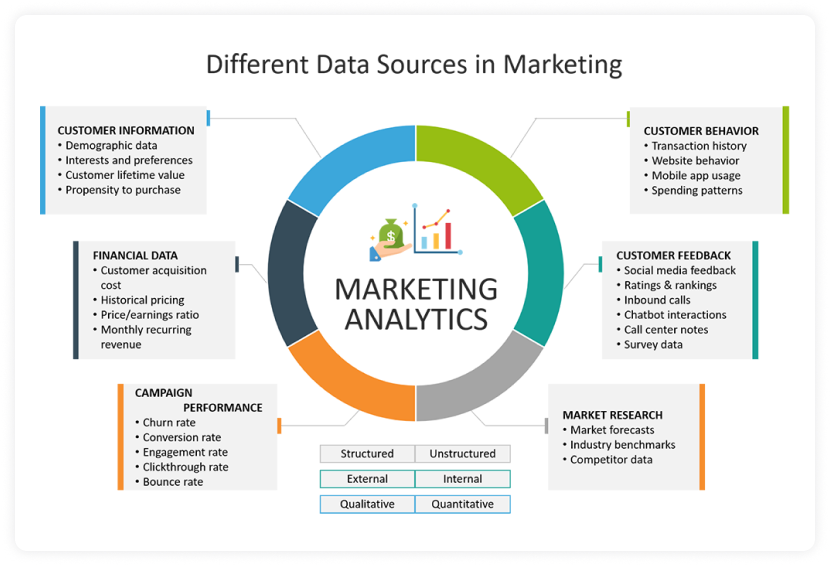
Modern marketing success hinges on quantifying efforts and understanding the true impact of every initiative. Marketing Analytics provides the comprehensive framework to collect, measure, analyze, and report on marketing data to understand campaign performance, customer behavior, and market trends. It’s the process that transforms a deluge of disparate information from various sources—web analytics, CRM systems, social media, advertising platforms—into coherent insights. This foundational understanding allows businesses to allocate resources effectively, refine strategies proactively, and ultimately achieve desired outcomes with precision. By embracing a data-driven approach, companies can elevate their marketing from an art to a science, continuously optimizing every touchpoint for maximum effectiveness and significant campaign impact.
The Core Mechanics of Modern Marketing Analytics Platforms
At its heart, a robust Marketing Analytics platform is an intricate ecosystem designed to aggregate, process, and interpret vast amounts of marketing and customer data. Its core technology and architecture are engineered to support everything from real-time campaign monitoring to long-term strategic planning. Understanding these components is crucial for harnessing the full power of marketing optimization.
Data Integration and Ingestion
The first critical step involves bringing data from myriad sources into a centralized system. Modern Marketing Analytics platforms excel at seamless data integration from:
- Customer Relationship Management (CRM) Systems: Providing rich customer profiles, interaction history, and sales data.
- Advertising Platforms: Such as Google Ads, Facebook Ads, LinkedIn Ads, supplying ad spend, impressions, clicks, and conversion data.
- Web Analytics Tools: Like Google Analytics (GA4) or Adobe Analytics, offering insights into website traffic, user behavior, bounce rates, and conversion funnels.
- Marketing Automation Platforms: HubSpot, Salesforce Marketing Cloud, providing email open rates, click-through rates, lead scoring, and journey progression.
- Social Media Channels: Engagement metrics, follower growth, and sentiment analysis.
- Customer Data Platforms (CDPs) and Data Management Platforms (DMPs): These serve as foundational layers for unifying customer data from various online and offline sources, creating persistent, single customer views crucial for advanced segmentation and personalization. Platforms like Segment and Tealium are key players here.
This data is often ingested in real-time or near real-time, leveraging APIs, webhooks, and ETL (Extract, Transform, Load) processes to ensure data freshness and relevance.
Real-time Data Processing and Cloud-native Analytics Engines
Once ingested, the data undergoes sophisticated processing. Cloud-native analytics engines are a cornerstone, offering scalability and flexibility to handle fluctuating data volumes and analytical demands. These engines allow for:
- Real-time Dashboards: Providing marketers with immediate feedback on campaign performance, allowing for agile adjustments.
- Data Transformation: Cleaning, normalizing, and enriching raw data to make it suitable for analysis. This often includes anonymization and aggregation to protect privacy while maintaining analytical utility.
- Feature Engineering: Creating new variables or “features” from raw data that are more predictive or informative for models, such as customer engagement scores or lead quality indices.
The ability to process data rapidly is essential for timely decision-making and capitalizing on fleeting market opportunities.
Advanced Analytics and Modeling
This is where raw data truly transforms into actionable intelligence. Modern leverages a spectrum of analytical techniques:
- Descriptive Analytics: What happened? (e.g., campaign performance reports, website traffic summaries).
- Diagnostic Analytics: Why did it happen? (e.g., root cause analysis for conversion drops, identifying contributing factors).
- Predictive Analytics: What will happen? (e.g., predicting customer lifetime value (CLTV), forecasting campaign performance, identifying churn risks). This often involves machine learning models.
- Prescriptive Analytics: What should we do? (e.g., recommending optimal budget allocation, suggesting personalized content, identifying the next best action for a customer).
Key areas of focus include sophisticated audience segmentation based on demographic, behavioral, and psychographic data, and personalization engines that deliver tailored experiences across channels.
Attribution Modeling
Understanding which touchpoints contributed to a conversion is paramount. Marketing Analytics platforms offer various attribution models:
- Single-Touch Models: First-touch, last-touch. Simple but often oversimplify complex customer journeys.
- Multi-Touch Models: Linear, time decay, U-shaped, W-shaped, and algorithmic (data-driven) models. These provide a more holistic view of the customer journey, assigning credit to multiple interactions, often leveraging AI/ML for more accurate weighting.
Accurate attribution ensures that marketing investments are correctly evaluated and optimized.
Reporting and Visualization
Finally, insights must be presented in an accessible and actionable format. Robust reporting and dashboarding frameworks are essential, often leveraging Business Intelligence (BI) tools like Tableau or Power BI. These tools enable:
- Customizable Dashboards: Tailored to different stakeholders (e.g., CMOs, campaign managers, social media specialists).
- Automated Reports: Scheduled delivery of key performance indicators (KPIs) and trend analysis.
- Interactive Visualizations: Allowing users to drill down into data, explore trends, and identify anomalies intuitively.
These features transform complex data sets into clear, understandable narratives that guide decision-making.
Primary AI/ML Integration
The integration of Artificial Intelligence and Machine Learning is transforming Marketing Analytics from reactive reporting to proactive strategy. Key AI/ML applications include:
- Predictive Analytics: Forecasting customer behavior, campaign success, CLTV, and churn probability.
- Attribution Modeling: Data-driven attribution models use machine learning to weigh the contribution of each touchpoint more accurately.
- Audience Segmentation: AI algorithms can uncover nuanced customer segments that human analysis might miss, enabling hyper-targeted campaigns.
- Personalization Engines: Driving dynamic content recommendations, product suggestions, and tailored customer journeys in real-time.
- Anomaly Detection: Identifying unusual spikes or dips in campaign performance, website traffic, or customer behavior that might indicate an issue or an opportunity.
These AI/ML capabilities provide a significant competitive edge, allowing marketers to anticipate needs and optimize for future outcomes.
Challenges and Barriers to Effective Marketing Analytics Adoption
Despite its undeniable value, implementing and leveraging Marketing Analytics effectively comes with its own set of hurdles. One of the most significant challenges is data silos and integration complexity. Organizations often have customer data scattered across numerous systems—CRM, ERP, marketing automation, e-commerce platforms, customer service—making it difficult to get a unified, 360-degree view of the customer. Integrating these disparate sources requires significant technical effort and robust API management. Another major barrier is data quality and governance. Poor data quality, including inaccuracies, inconsistencies, and incompleteness, can lead to flawed insights and misguided decisions. Moreover, stringent data privacy regulations like GDPR and CCPA necessitate meticulous data governance, including consent management, anonymization, and role-based access control, adding layers of complexity to data collection and usage. Without proper governance, companies risk legal penalties and erosion of customer trust. Furthermore, the rapid evolution of tools and techniques creates a persistent skill gap and tool proliferation. Marketers need to possess a blend of analytical skills, domain expertise, and proficiency in various platforms, a rare combination. Finally, attribution complexity and multi-touch journeys remain a challenge, as accurately crediting each touchpoint in a complex customer journey requires advanced modeling and sophisticated data infrastructure.
Unlocking Tangible Business Value and ROI
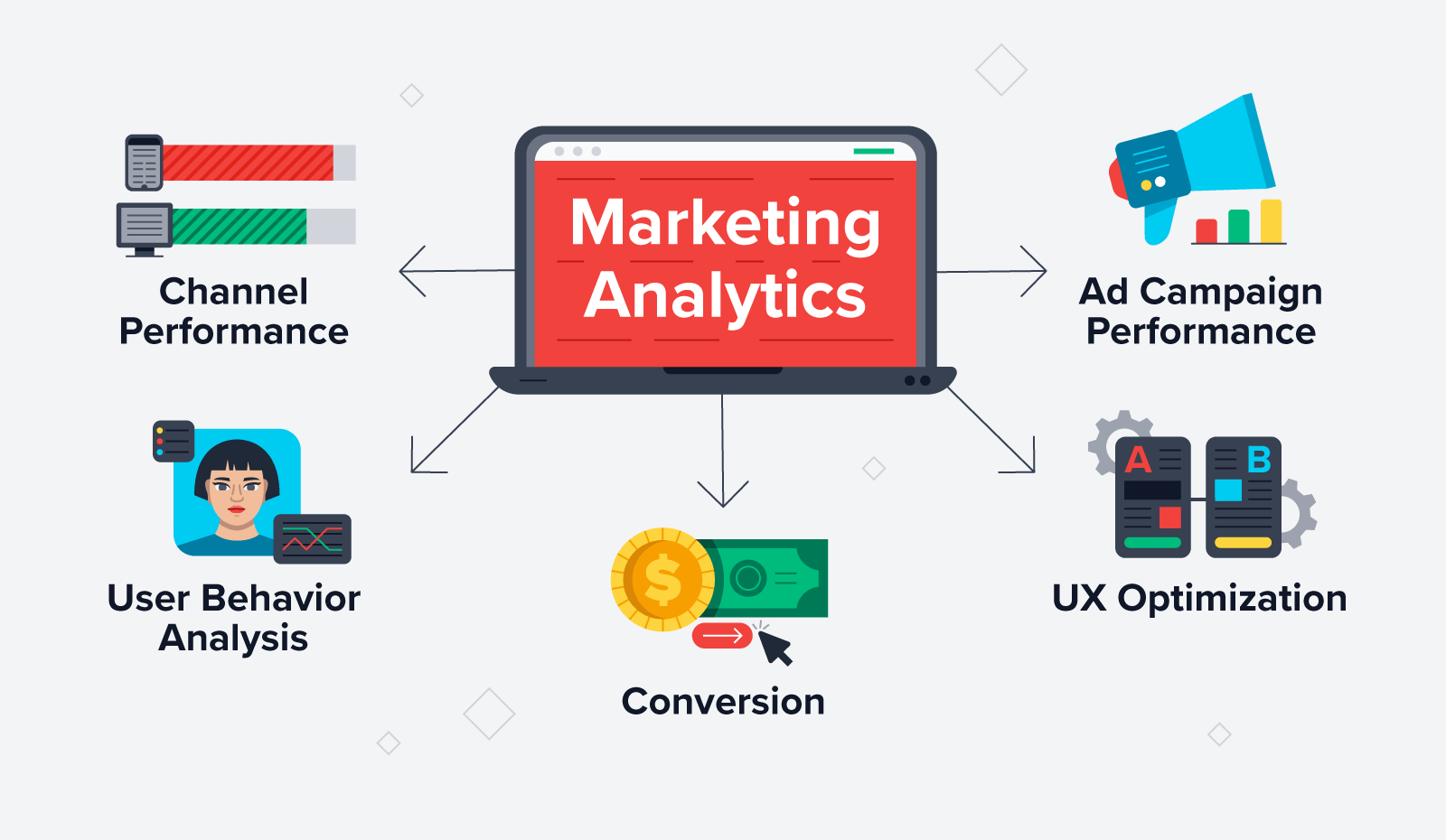
Overcoming these challenges unlocks substantial business value and significant return on investment through sophisticated Marketing Analytics. The primary benefit is demonstrably enhanced campaign performance and optimization. By continuously monitoring and analyzing campaign data, marketers can identify underperforming elements, adjust messaging, targeting, and bidding strategies in real-time, and reallocate budgets to maximize efficiency. This leads to higher conversion rates and lower customer acquisition costs. Consequently, businesses see an improved Customer Lifetime Value (CLTV) and retention. Analytics allows for precise segmentation and personalization, delivering relevant content and offers that foster deeper customer relationships, reduce churn, and encourage repeat purchases. Through data-driven insights, organizations achieve optimized budget allocation and ROI, moving away from guesswork to strategic investment decisions based on proven performance. This scientific approach ensures every marketing dollar works harder. Furthermore, Marketing Analytics facilitates faster decision-making and agility, enabling marketers to react swiftly to market changes, competitor actions, and emerging customer trends. This agility is crucial in today’s dynamic business environment. Finally, the ability to deliver personalized customer experiences at scale is a direct outcome, leading to higher customer satisfaction, brand loyalty, and ultimately, sustained growth.
Marketing Analytics vs. Traditional Data Lakes & Data Warehouses: A Strategic Distinction
While Marketing Analytics platforms, traditional data lakes, and data warehouses all deal with data, their core objectives, architectures, and operational focuses differ significantly. Understanding these distinctions is crucial for optimizing data infrastructure and maximizing marketing effectiveness.
A Traditional Data Warehouse is typically structured, designed for clean, integrated data, and optimized for reporting and historical analysis across an entire enterprise. It deals with structured data, often aggregated and transformed (ETL), providing a single source of truth for business intelligence, financial reporting, and operational insights. Data warehouses are excellent for answering predefined questions about past performance, such as “How many units did we sell last quarter?” or “What was our overall profit margin?” They prioritize data quality, consistency, and stability, making them reliable for compliance and long-term strategic planning. However, their rigidity and batch-processing nature can make them less agile for the fast-paced demands of marketing.
A Data Lake, on the other hand, is a vast repository that stores raw, unstructured, semi-structured, and structured data at scale. It offers schema-on-read flexibility, meaning data can be stored without a predefined structure and schema is applied when the data is read and processed. Data lakes are ideal for big data analytics, machine learning, and exploratory data science, allowing businesses to store all their data “just in case” it becomes useful later. While offering immense flexibility and cost-effectiveness for storage, extracting meaningful insights from a raw data lake often requires significant technical expertise and sophisticated data engineering.
Marketing Analytics platforms, while potentially leveraging data from both data warehouses and data lakes, have a more specialized and focused purpose. They are built to address specific marketing challenges: campaign performance, customer behavior, personalization, and ROI measurement. Key distinctions include:
- Purpose-Built vs. General Purpose: Marketing Analytics platforms are purpose-built for marketers, offering domain-specific metrics, dashboards, and integrations. Data warehouses and lakes are general-purpose, serving various departments.
- Real-time Agility: Marketing Analytics often demands real-time or near real-time data processing to enable in-flight campaign optimization. While some data lakes can support real-time streams, their primary use cases often involve batch processing for large-scale analytics. Data warehouses are typically updated periodically (e.g., daily, weekly).
- User Focus: Marketing Analytics platforms are designed with marketers in mind, featuring intuitive interfaces and pre-built reports. Data lakes and warehouses typically require data analysts, scientists, or engineers to extract value.
- Data Scope: While they might ingest enterprise data, Marketing Analytics platforms prioritize customer-centric data, campaign data, and interaction data that directly impacts marketing outcomes. Data warehouses and lakes have a much broader, enterprise-wide data scope.
- AI/ML Integration: Marketing Analytics heavily integrates AI/ML for predictive modeling, attribution, and personalization, often as out-of-the-box features. While data lakes are excellent environments for building custom AI/ML models, it requires significant in-house expertise.
In essence, a Marketing Analytics platform acts as a specialized layer on top of or alongside broader data infrastructure. It consumes relevant data from data lakes or warehouses, enriches it with marketing-specific context, and applies advanced analytics and AI to deliver actionable insights directly to marketing teams. This allows marketers to focus on strategy and optimization rather than complex data engineering, bridging the gap between raw data and marketing impact.

World2Data Verdict: The Imperative for Data-Driven Marketing Agility
The World2Data verdict is unequivocal: sophisticated Marketing Analytics is not merely a competitive advantage but an operational imperative for any organization aiming for sustainable growth and maximized campaign impact. As digital landscapes become more fragmented and customer journeys more complex, the ability to collect, synthesize, and act upon data in real-time separates market leaders from laggards. Investing in robust Marketing Analytics platforms that offer deep data integration, advanced AI/ML capabilities for predictive insights and personalization, and strong data governance features is no longer a luxury but a strategic necessity. Businesses must foster a culture of data literacy and continuous optimization, empowering their marketing teams with the tools and skills to leverage these insights. The future of marketing is undeniably data-driven, agile, and predictive, demanding that businesses prioritize Marketing Analytics to remain relevant, impactful, and ahead of the curve.