


Operational Analytics: Unleashing Real-time Efficiency Across the Organization
At World2Data.com, we specialize in dissecting the technologies that empower modern businesses. Today, we delve into the transformative power of Operational Analytics, a paradigm shift from traditional reporting that leverages real-time data to drive immediate, actionable insights. This approach is fundamental for organizations striving for agility, enhanced decision-making, and unparalleled operational efficiency across every facet of their enterprise. By moving beyond retrospective analysis, Operational Analytics enables proactive intervention and continuous optimization, fundamentally reshaping how businesses interact with their data and their operational processes.
Key Attributes of Operational Analytics Platforms
- Platform Category: Real-time Analytics Platforms, Business Intelligence Tools, Data Warehouses, Data Lakehouses, Operational Data Stores, Workflow Automation Platforms
- Core Technology/Architecture: Event-driven Architecture, Real-time Data Processing, Streaming Analytics, Low-latency Querying, Embedded Analytics, Microservices
- Key Data Governance Feature: Data Lineage Tracking, Access Control Lists, Data Anonymization, Data Masking, Audit Logs, Data Quality Monitoring
- Primary AI/ML Integration: Anomaly Detection, Predictive Maintenance, Process Optimization with ML, Automated Alerting, Recommender Systems, Machine Learning Operations (MLOps) integration
- Main Competitors/Alternatives: Snowflake, Databricks, Google BigQuery, Amazon Redshift, Apache Kafka, Flink, Various Business Process Management (BPM) suites, specific industry-focused operational systems
Introduction: The Imperative for Real-Time Action with Operational Analytics
In today’s hyper-competitive and rapidly evolving business landscape, the ability to react swiftly and decisively to real-time events is no longer a luxury but a necessity. Traditional Business Intelligence (BI) tools, while valuable for historical analysis, often fall short when it comes to providing insights at the speed of operations. This is precisely where Operational Analytics steps in, bridging the critical gap between raw data and immediate action. It represents a fundamental shift in how organizations perceive and utilize their data, transitioning from merely understanding past performance to actively shaping future outcomes. By focusing on the present, Operational Analytics empowers frontline employees, managers, and automated systems alike with the timely information required to optimize processes, enhance customer experiences, and make split-second decisions that directly impact efficiency and profitability.
This article aims to provide a comprehensive deep dive into the architecture, benefits, challenges, and strategic implications of adopting an Operational Analytics framework. We will explore how it facilitates proactive problem-solving, streamlines workflows, and fosters a truly data-driven culture, ultimately boosting efficiency across the entire organization. For businesses navigating complex operational environments, understanding and implementing effective Operational Analytics is paramount for sustainable growth and maintaining a significant competitive edge.
Core Breakdown: The Architecture and Power of Operational Analytics
Operational Analytics is more than just a reporting tool; it’s an intricate ecosystem designed for high-velocity data processing and actionable insight generation. Its core strength lies in its ability to ingest, process, and analyze data streams in real-time, delivering critical information directly to the operational teams that need it most. This demands a robust technical foundation built on modern data architectures and processing paradigms.
Technical Foundation and Components
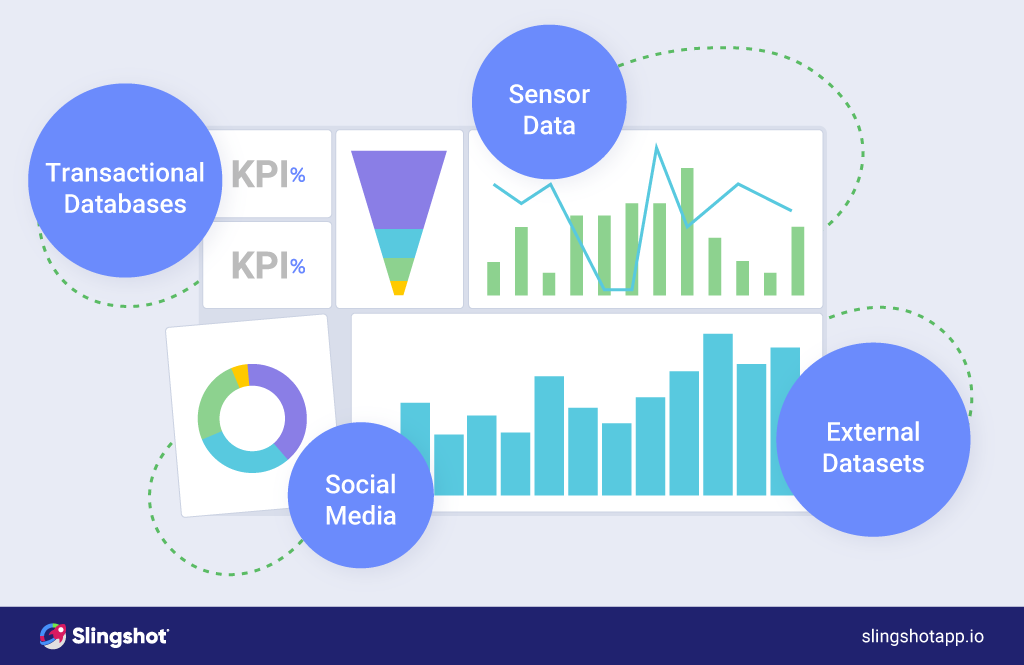
At its heart, an Operational Analytics platform leverages an Event-driven Architecture. This design paradigm ensures that data is captured as it happens – from sensor readings, customer interactions, logistical movements, or transactional systems – and processed immediately. Key components often include:
- Real-time Data Ingestion: Tools like Apache Kafka or other message queues are crucial for capturing high volumes of streaming data from diverse sources with low latency. This ensures that the data pipeline is always up-to-date.
- Real-time Data Processing (Streaming Analytics): Technologies such as Apache Flink, Spark Streaming, or specialized stream processing engines are employed to transform, filter, and aggregate data streams on the fly. This enables immediate calculations of KPIs, anomaly detection, and pattern recognition.
- Operational Data Stores: Unlike traditional data warehouses optimized for complex analytical queries on historical data, operational data stores (like NoSQL databases or purpose-built real-time data platforms) are designed for incredibly fast writes and low-latency querying of the most current data. They serve as the immediate source for operational dashboards and alerts.
- Embedded Analytics and Visualization: Insights are often delivered through intuitive dashboards and embedded directly within operational applications. This “analytics at the point of action” approach ensures that users don’t need to switch contexts to access vital information, making insights instantly actionable.
- Microservices Architecture: Often, the entire platform is built using microservices, allowing for modularity, scalability, and independent deployment of different functionalities, from data ingestion to specific analytical models.
These components work in concert to provide a continuous feedback loop, turning raw operational events into actionable intelligence without significant delays. For instance, in manufacturing, sensors might detect a potential machine fault, triggering an immediate alert via Operational Analytics for predictive maintenance, preventing costly downtime. In retail, real-time inventory levels combined with customer foot traffic data can optimize staffing and restocking efforts instantly.
Challenges and Barriers to Adoption
Despite its immense benefits, implementing a robust Operational Analytics solution comes with its own set of challenges:
- Data Integration Complexity: Integrating data from disparate operational systems, often legacy ones, can be incredibly complex. Ensuring data quality, consistency, and timely delivery across various sources requires sophisticated data pipeline management and robust ETL/ELT processes optimized for real-time.
- Real-time Processing Demands: Achieving true real-time performance requires significant computational resources and expertise in streaming technologies. Handling high data volumes and velocities without latency can be technically challenging and costly.
- Data Governance and Quality: For insights to be trustworthy and actionable, the underlying data must be accurate and reliable. Implementing strong Data Quality Monitoring, Data Lineage Tracking, and robust Access Control Lists is crucial but demanding, especially with constantly flowing data.
- Cultural Resistance: Shifting from a reactive, historical reporting mindset to a proactive, real-time operational one requires a significant cultural change within the organization. Employees need training, trust in the data, and an understanding of how to leverage insights for immediate action.
- Scalability and Cost: Designing an Operational Analytics platform that can scale elastically with fluctuating data volumes and analytical demands, while managing infrastructure costs, is a continuous challenge.
- MLOps Complexity: For advanced features like Anomaly Detection or Predictive Maintenance with ML, integrating Machine Learning Operations (MLOps) practices is essential. This includes versioning models, deploying them to production in real-time environments, and continuously monitoring their performance, which adds another layer of complexity.
Business Value and ROI of Operational Analytics
Overcoming these challenges yields substantial returns, making the investment in Operational Analytics highly justifiable:
- Faster Model Deployment and Iteration: By integrating directly with operational data, Operational Analytics platforms can accelerate the deployment and continuous improvement of predictive models, leading to more responsive AI-driven operations.
- Enhanced Data Quality for AI: Continuous monitoring of operational data streams improves overall data quality, which is critical for the performance and reliability of AI and ML models deployed in production.
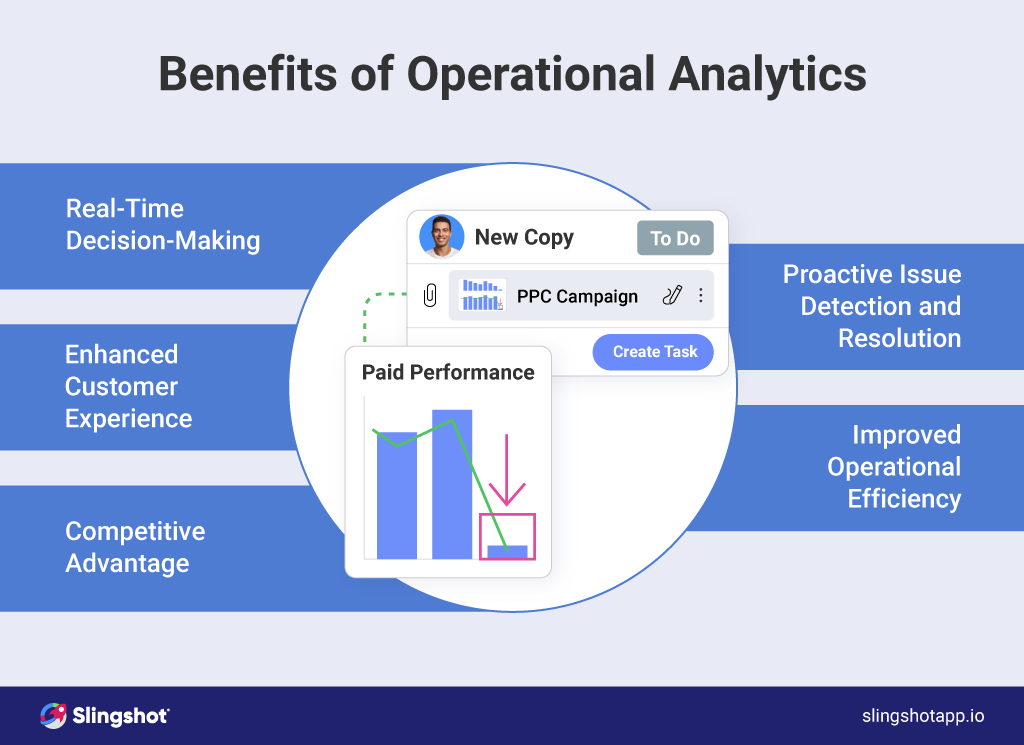
- Proactive Problem Solving: Real-time alerts and dashboards enable teams to identify and address issues as they arise, preventing minor incidents from escalating into major disruptions. This leads to reduced downtime, fewer errors, and smoother operations.
- Optimized Resource Allocation and Cost Savings: By providing immediate visibility into resource utilization, inventory levels, and operational bottlenecks, organizations can optimize staffing, supply chains, and asset management, leading to significant cost reductions and improved efficiency.
- Improved Customer Experience: Real-time insights into customer interactions and service performance allow businesses to personalize experiences, resolve issues faster, and proactively meet customer needs, fostering loyalty and satisfaction.
- Increased Operational Agility: The ability to monitor, analyze, and act on data in real-time grants organizations unprecedented agility, allowing them to adapt quickly to market changes, new competitive pressures, or evolving customer demands.
- Process Optimization: Granular, real-time visibility into workflow performance allows for continuous identification of inefficiencies, leading to streamlined processes, reduced waste, and enhanced productivity across all departments.
Comparative Insight: Operational Analytics vs. Traditional Data Lakes/Warehouses
To fully appreciate the distinct role of Operational Analytics, it’s essential to understand how it differs from traditional data platforms like data lakes and data warehouses. While these systems are indispensable for enterprise data management, their primary purposes and architectural characteristics diverge significantly from the real-time, action-oriented nature of Operational Analytics.
Traditional Data Warehouses
Data Warehouses are built for structured, historical data analysis. They consolidate data from various operational systems into a highly organized, denormalized schema, optimized for complex analytical queries and reporting. Their strength lies in providing a single source of truth for business intelligence, trend analysis, and strategic decision-making over longer time horizons. Data typically undergoes significant transformation and cleansing before loading (ETL), often on a scheduled basis (daily, weekly), making them inherently retrospective. They answer questions like “What happened last quarter?” or “What are the sales trends over the past five years?” While crucial for strategic planning, they lack the immediacy required for tactical, operational interventions.
Data Lakes
Data Lakes offer a more flexible approach, storing vast quantities of raw, unstructured, semi-structured, and structured data in its native format. They are designed for large-scale data exploration, advanced analytics, and machine learning initiatives, allowing data scientists to experiment with diverse datasets without predefined schemas. Data lakes are excellent for data discovery and supporting complex analytical models, often feeding into data warehouses or other analytical systems. However, like data warehouses, data lakes are typically batch-oriented for processing and querying, and while they can handle real-time data ingestion, retrieving insights for immediate operational response often requires additional layers or specialized tools built on top, transforming them into a Data Lakehouse architecture.
The Distinctiveness of Operational Analytics
Operational Analytics differentiates itself by prioritizing speed, immediacy, and direct action. While it may leverage data from data lakes or warehouses for contextual enrichment or model training, its core function is to analyze data as it flows, providing insights that are relevant now. Key distinctions include:
- Time Horizon: Operational Analytics focuses on the present and immediate future (seconds, minutes, hours), whereas data warehouses and data lakes focus on historical trends and long-term analysis.
- Data Granularity: OA often deals with individual events and granular data points to detect anomalies or trigger actions, while traditional platforms aggregate data for broader trends.
- Actionability: OA insights are designed to trigger immediate actions – an alert, an automated workflow adjustment, a dynamic recommendation. Traditional platforms provide insights for human interpretation and strategic planning.
- System Integration: OA is deeply embedded within operational systems, pushing insights directly into the workflows of frontline users or automated processes.
- Performance Requirements: OA demands incredibly low-latency processing and querying, often measured in milliseconds, to enable real-time decision-making.
In essence, while data lakes and data warehouses provide the foundation for understanding “why” and “what happened,” Operational Analytics empowers organizations to act on “what is happening now” and “what should happen next” within their day-to-day operations. They are complementary, not mutually exclusive, forming a comprehensive data strategy where each platform serves a distinct, vital purpose.

World2Data Verdict: Embracing the Real-time Operational Advantage
At World2Data.com, our analysis clearly indicates that Operational Analytics is not just another buzzword but a pivotal technological advancement that redefines how businesses derive value from their data. The ability to transform raw, streaming data into immediate, actionable insights is a game-changer for organizational efficiency, customer experience, and competitive agility. As data volumes continue to explode and the pace of business accelerates, the traditional retrospective views offered by legacy BI systems are simply no longer sufficient for maintaining a competitive edge. Organizations must shift their focus towards proactive, real-time data utilization.
Our recommendation for any forward-thinking enterprise is clear: prioritize the strategic integration of Operational Analytics into your data architecture. Start with pilot projects in high-impact operational areas where real-time visibility can yield immediate ROI, such as supply chain optimization, customer service, or manufacturing process control. Invest in the foundational technologies – event-driven architectures, streaming analytics platforms, and low-latency operational data stores – and cultivate a culture that embraces data-driven decision-making at every level. While the journey presents challenges in data integration, governance, and technological expertise, the rewards in terms of operational efficiency, cost savings, and enhanced customer satisfaction are profound. Embracing Operational Analytics today is paramount for building an agile, responsive, and truly intelligent enterprise capable of thriving in tomorrow’s dynamic global market.