



Data Sharing Best Practices for Modern Organizations: Unlocking Value and Mitigating Risk
Effective data sharing is no longer a mere operational task but a strategic cornerstone for modern organizations aiming to thrive in a data-driven economy. This deep dive explores the critical best practices that enable seamless, secure, and compliant data exchange, fueling innovation and collaboration across departments and with external partners. From establishing robust governance frameworks to leveraging cutting-edge cloud-native technologies, understanding these principles is paramount for maximizing the business value derived from your data assets while meticulously managing inherent risks.
Introduction: The Strategic Imperative of Secure Data Sharing
Data Sharing Best Practices for Modern Organizations are no longer optional but a strategic imperative. Effective data sharing fuels innovation, improves decision-making, and enhances collaboration across departments and with external partners. Modern organizations thrive on the seamless, yet secure, exchange of information. In an increasingly interconnected world, the ability to exchange data securely, efficiently, and ethically has become a defining characteristic of successful enterprises. This article delves into the foundational elements and advanced strategies for implementing best-in-class data sharing practices.
At its core, a robust data exchange ecosystem leverages a Data Exchange Platform, often built on a Cloud-Native, API-Driven architecture, incorporating Data Mesh Principles to decentralize and democratize data access. Key to its success are sophisticated Data Governance features, including Granular Role-Based Access Control (RBAC), a comprehensive Data Catalog for discovery, and advanced Data Anonymization techniques to protect sensitive information. Furthermore, modern platforms often integrate Primary AI/ML capabilities such as Automated Data Discovery and Classification, and Privacy-Preserving AI, which collectively enhance data utility while maintaining strict compliance. Leading solutions in this space, such as Snowflake Data Sharing, Databricks Delta Sharing, Google Cloud Data Exchange, AWS Data Exchange, and Azure Data Share, exemplify the competitive landscape and the advanced features available to organizations today.
Core Breakdown: The Pillars of Effective Data Sharing Platforms
Implementing effective data sharing is a multi-faceted endeavor that requires a holistic approach, encompassing policy, technology, and culture. Here, we dissect the core components and best practices essential for modern organizations.
Establishing Clear Data Governance Policies
Fundamental to any successful data sharing initiative is the establishment of clear and enforceable data governance policies. This involves defining precise roles and responsibilities for data ownership, stewardship, access, and accountability. A well-defined governance framework ensures that data sharing adheres to internal policies and external regulations. Key elements include:
- Data Ownership and Stewardship: Clearly delineate who owns specific datasets and who is responsible for their quality, accuracy, and accessibility. Data stewards act as crucial liaisons between data producers and consumers.
- Granular Role-Based Access Control (RBAC): Implement fine-grained access controls that dictate exactly who can access what data, under which conditions, and for what purpose. This minimizes unauthorized access and ensures compliance with the principle of least privilege.
- Regulatory Compliance: Strict adherence to regulatory standards such as GDPR, CCPA, HIPAA, and industry-specific regulations is paramount. Policies must address data residency, consent management, and data breach notification requirements. Automated compliance checks and audit trails are invaluable here.
- Data Catalog and Metadata Management: A comprehensive data catalog serves as a central repository for metadata, making datasets discoverable, understandable, and trusted. Rich metadata includes data lineage, quality metrics, security classifications, and usage terms, empowering users to find and utilize relevant data responsibly.
- Data Retention and Deletion Policies: Define clear guidelines for how long data should be kept and when it must be securely deleted, aligning with legal requirements and business needs.
Implementing Robust Security Measures
Security is non-negotiable in data sharing. Organizations must prioritize utilizing advanced encryption and anonymization techniques to protect sensitive information both in transit and at rest. Employing granular access controls ensures that only authorized personnel can access specific data sets, minimizing the risk of breaches or misuse. Beyond basic encryption, modern best practices include:
- End-to-End Encryption: Safeguard data both when it’s stored (at rest) and when it’s being moved between systems (in transit) using strong encryption algorithms.
- Data Masking and Tokenization: For sensitive fields, replace actual data with realistic but fake data (masking) or non-sensitive surrogate values (tokenization) to prevent exposure in non-production environments or for specific user groups.
- Pseudonymization and Anonymization: Techniques to reduce the linkability of data to an individual while retaining its analytical utility. Full anonymization removes all personally identifiable information (PII), while pseudonymization replaces PII with a unique identifier. Privacy-Preserving AI techniques, such as federated learning, can allow models to be trained on decentralized datasets without the data ever leaving its source.
- Zero-Trust Architecture: Assume no user or system is inherently trustworthy, whether inside or outside the network perimeter. Every access request is authenticated, authorized, and continuously validated.
- Threat Detection and Incident Response: Implement continuous monitoring, anomaly detection, and a well-defined incident response plan to quickly identify, contain, and remediate security threats.
Fostering a Culture of Trust and Transparency
Beyond technology and policy, a successful data sharing ecosystem thrives on a culture of trust and transparency. This means clearly communicating the purposes and benefits of data sharing to all stakeholders, internal and external. Building internal data literacy empowers employees to understand their roles in data stewardship and promotes responsible data sharing practices across the entire organization. Key aspects include:
- Clear Communication: Articulate the ‘why’ behind data sharing—its benefits for innovation, efficiency, and customer experience—to foster buy-in from all stakeholders.
- Data Literacy Programs: Educate employees on data privacy principles, security protocols, and their responsibilities in handling data, ensuring they understand the value and sensitivity of the information they interact with.
- Ethical Data Use: Establish and communicate clear ethical guidelines for data use, ensuring shared data is utilized responsibly and avoids biased outcomes or discriminatory practices.
- Feedback Mechanisms: Create channels for data consumers and providers to offer feedback on data quality, accessibility, and utility, promoting continuous improvement.
Leveraging Secure and Efficient Technologies
Leveraging Secure and Efficient Technologies streamlines the data sharing process. It is crucial to choose appropriate data sharing platforms that offer robust security features, scalability, and ease of use. Automating data sharing processes wherever possible reduces manual errors, increases efficiency, and ensures consistency in how data is exchanged. Modern Data Exchange Platforms embody these principles:
- Cloud-Native and API-Driven Platforms: Utilize platforms designed for the cloud that offer scalable infrastructure, robust APIs for programmatic access, and integration capabilities with other systems, facilitating seamless and automated data exchange.
- Data Mesh Principles: Adopt a decentralized approach where data is treated as a product, owned and served by domain-specific teams. This promotes higher data quality, better context, and easier discoverability compared to centralized data lakes.
- Automated Data Discovery and Classification: Implement AI/ML-powered tools that automatically scan, categorize, and classify data based on its content, sensitivity, and compliance requirements, significantly improving efficiency and reducing human error.
- Data Virtualization: Enable access to data from disparate sources without physically moving or replicating it, reducing storage costs, latency, and security risks associated with data duplication.
- Secure Data Clean Rooms: Provide secure, isolated environments where multiple parties can bring their data together for joint analysis without revealing individual raw data to each other, enabling privacy-preserving analytics and collaboration.
Challenges and Barriers to Adoption
While the benefits of effective data sharing are clear, organizations often encounter significant hurdles:
- Data Silos and Legacy Systems: Deep-rooted data silos and outdated infrastructure make integration and unified access challenging, hindering cross-functional data exchange.
- Lack of Trust and Cultural Resistance: Concerns over data misuse, privacy breaches, and competitive disadvantages can foster a culture unwilling to share data, both internally and externally.
- Regulatory Complexity and Fragmentation: Navigating a patchwork of evolving global, regional, and industry-specific data privacy regulations is a significant compliance burden.
- Data Quality and Consistency: Inconsistent data formats, poor data quality, and lack of standardization across different datasets make them difficult to integrate and derive reliable insights from.
- Technical Overhead and Skill Gaps: Implementing and managing sophisticated data sharing platforms requires specialized skills in data engineering, governance, security, and cloud architecture, which may be in short supply.
- Security Concerns: The inherent risk of exposing sensitive data, even with advanced security measures, remains a top concern for organizations.
Business Value and ROI of Strategic Data Sharing
The return on investment (ROI) from adopting robust data sharing practices is substantial and extends across multiple facets of an organization:
- Faster Time-to-Insight: Streamlined access to high-quality, relevant data accelerates analytics, reporting, and the development of AI/ML models, leading to quicker, more informed decision-making.
- Enhanced Collaboration and Innovation: Breaking down data silos fosters a collaborative environment, enabling departments and external partners to co-create solutions and drive new product development.
- Improved Data Quality for AI: By ensuring data is discoverable, governed, and high-quality, organizations can feed more reliable data into their AI and machine learning initiatives, leading to more accurate predictions and better model performance.
- New Revenue Streams: Secure and controlled data sharing with partners can unlock opportunities for data monetization, joint ventures, and new business models.
- Strengthened Compliance and Reduced Risk: Proactive governance and security measures minimize the risk of regulatory fines, reputational damage, and data breaches, ensuring sustained trust with customers and regulators.
- Operational Efficiencies: Automation of data exchange processes reduces manual effort, errors, and associated operational costs, freeing up resources for higher-value activities.
- Better Customer Experiences: A unified view of customer data across different touchpoints enables personalized services, targeted marketing, and improved customer satisfaction.
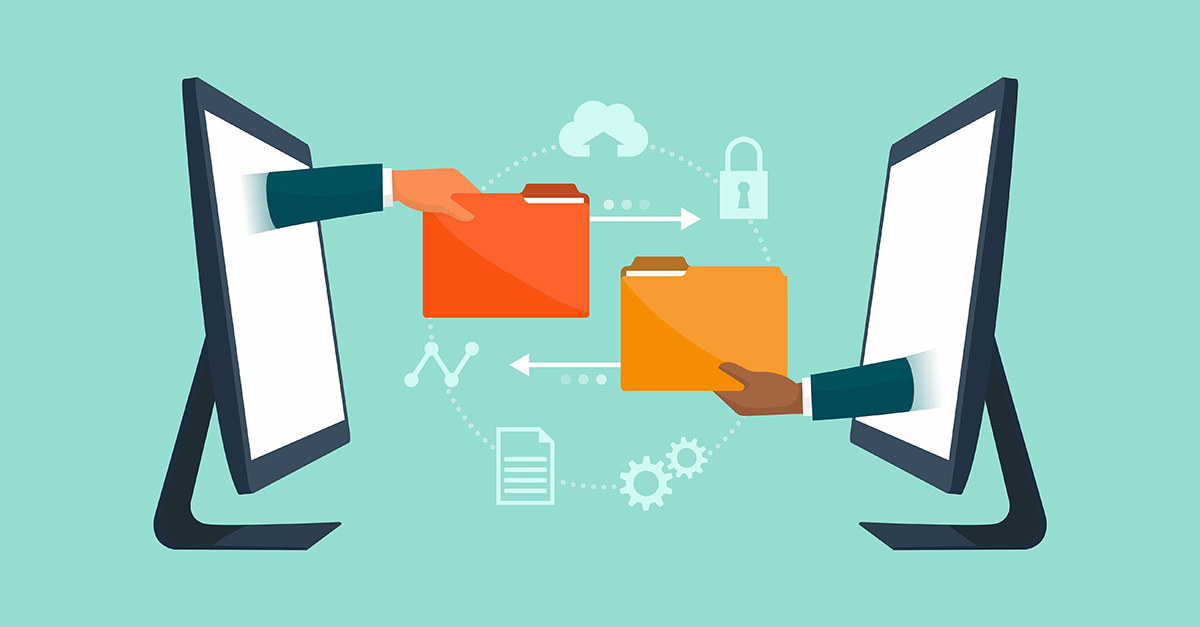
Comparative Insight: Modern Data Sharing Platforms vs. Traditional Data Lakes/Warehouses
The landscape of data management has evolved dramatically, with dedicated Data Exchange Platforms offering distinct advantages over traditional data lakes and warehouses for sharing purposes. While data lakes and warehouses remain crucial for storage and analytical processing, their architecture often presents challenges when it comes to scalable, secure, and governed external or even internal data sharing.
Traditional Data Lakes/Warehouses: Historically, sharing data from a data lake or warehouse often involved manual extract, transform, load (ETL) processes, creating copies of data, or granting direct database access. This approach is fraught with issues:
- Security Risks: Creating multiple data copies increases the attack surface, and direct access can lead to over-permissioning and security vulnerabilities.
- Governance Complexity: Maintaining consistent governance policies across numerous data copies and external recipients is extremely difficult, leading to data drift and compliance headaches.
- Data Staleness: Shared copies quickly become outdated, making real-time or near real-time analytics challenging.
- High Operational Overhead: Manual ETL and managing data transfer mechanisms are resource-intensive and prone to human error.
- Limited Discoverability: Without a centralized catalog, external partners or even internal teams struggle to discover available datasets and understand their context.
Modern Data Sharing Platforms (e.g., Cloud Data Exchange Platforms): In contrast, modern platforms are built from the ground up to facilitate seamless and secure data exchange. They embody many of the best practices outlined above:
- Secure & Governed Access: These platforms enable sharing live, up-to-date data without creating copies. They enforce granular access controls directly on the source data, ensuring compliance and security at all times. Features like data masking and tokenization can be applied dynamically based on the recipient’s permissions.
- Centralized Metadata & Discovery: Integrated data catalogs make shared datasets easily discoverable, providing rich metadata, usage terms, and lineage, fostering transparency and trust.
- Scalability & Performance: Cloud-native architectures ensure that sharing mechanisms are highly scalable, capable of handling large volumes of data and numerous consumers without performance degradation.
- API-Driven Automation: Robust APIs allow for programmatic control over data sharing, enabling automation of data provisioning, access management, and integration into existing workflows.
- AI/ML for Enhanced Utility: Many modern platforms incorporate AI/ML for automated data discovery, classification, and privacy-preserving techniques. This not only streamlines governance but also enables advanced analytics and collaborative AI model development without compromising privacy. For example, AI can automatically identify PII in a dataset and suggest appropriate anonymization techniques before sharing.
- Cost Efficiency: By eliminating the need for multiple data copies and extensive ETL pipelines, these platforms can significantly reduce storage, compute, and operational costs associated with data sharing.
Ultimately, while traditional data lakes and warehouses serve as foundational data repositories, modern Data Sharing Platforms provide the specialized infrastructure and features necessary to transform raw data into a truly shared, valuable, and compliant asset across an ecosystem.

World2Data Verdict: Embracing a Data Sharing Paradigm Shift
The journey towards truly effective Data Sharing Best Practices is ongoing, but the direction is clear: organizations must move beyond reactive, manual data transfers to proactive, platform-driven data exchange ecosystems. World2Data advocates for a strategic pivot towards integrated, cloud-native data sharing solutions that prioritize governance, security, and discoverability. The future of data collaboration lies in platforms that not only facilitate the seamless flow of information but also embed intelligence—through AI/ML-driven automation and privacy-preserving techniques—to ensure data remains secure, compliant, and maximally valuable. Organizations that master these data sharing practices will not only unlock unprecedented innovation and operational efficiency but will also establish themselves as trusted partners in the evolving data economy.