


Behavioral Data: Unlocking Hyper-Personalization Through User Action Tracking
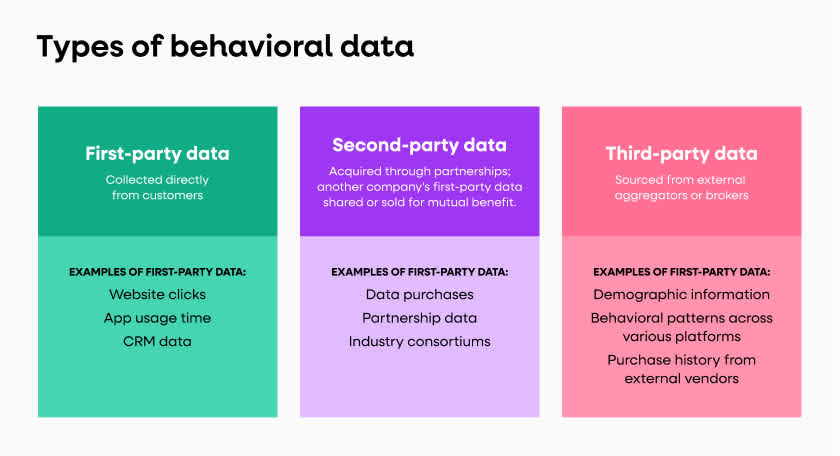
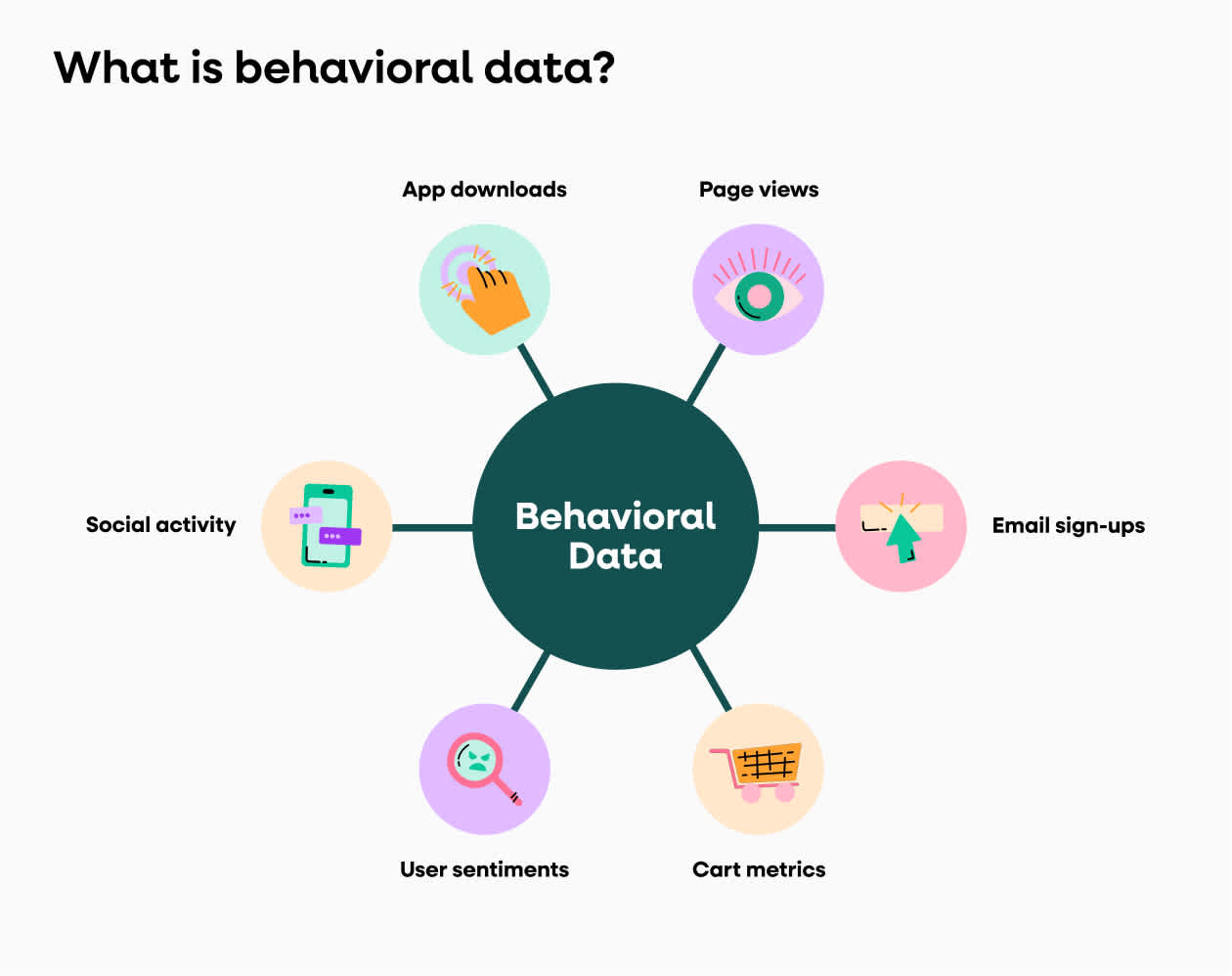
Behavioral Data is no longer just an industry buzzword; it is the cornerstone of effective digital engagement and advanced personalization strategies. Understanding precisely how users interact with your platforms – what they click, view, search, scroll, and purchase – provides an unparalleled depth of insight into their individual preferences, intent, and needs. This crucial insight into user behavior allows businesses to move beyond generic marketing and craft truly unique, highly relevant experiences for every customer, driving engagement and fostering loyalty.
At a Glance: Behavioral Data Platforms for World2Data.com
- Platform Category: Customer Data Platforms (CDPs), Web and Mobile Analytics Platforms, Marketing Automation Platforms, Recommendation Engines.
- Core Technology/Architecture: Event Streaming Architectures, Real-time Data Processing, Data Lakehouses for raw event storage, Microservices for data ingestion and processing.
- Key Data Governance Feature: Consent Management, Data Minimization, Pseudonymization and Anonymization techniques, Role-Based Access Control for sensitive behavioral data.
- Primary AI/ML Integration: Recommendation Engines for product and content, Predictive Analytics for churn and customer lifetime value, Dynamic Personalization Algorithms, Anomaly Detection in user behavior.
- Main Competitors/Alternatives: Segment, Braze, Adobe Experience Cloud, Google Analytics 4 (GA4), Mixpanel, Amplitude, Tealium, In-house custom solutions.
Introduction: The Imperative of Behavioral Data in a Personalized World
In today’s fiercely competitive digital landscape, generic customer experiences are quickly becoming obsolete. Consumers expect personalized interactions that anticipate their needs and cater to their unique journeys. This shift elevates the importance of Behavioral Data from a supplementary metric to a foundational element of any successful digital strategy. It’s the raw material that fuels personalization, powers sophisticated recommendation engines, and informs every decision aimed at enhancing the customer experience. By meticulously tracking and analyzing user actions, businesses gain a profound understanding of customer intent, preferences, and pain points, enabling them to deliver truly relevant content, products, and services at the right moment. This deep dive will explore the architecture, challenges, business value, and strategic significance of leveraging behavioral data for unparalleled personalization.
Core Breakdown: Architecture and Impact of Behavioral Data Platforms
The collection, processing, and application of Behavioral Data require a robust and scalable technical infrastructure. At its heart, a modern behavioral data platform is designed to capture a continuous stream of events generated by user interactions across various touchpoints—websites, mobile apps, IoT devices, CRM systems, and more. This event-driven architecture is critical for real-time processing and dynamic personalization.
Key Architectural Components and Processes:
- Event Streaming Architectures: At the foundation are systems like Apache Kafka or Amazon Kinesis, which enable high-throughput, low-latency ingestion of millions of behavioral events per second. Each event—a click, a view, a search query, an add-to-cart action—is timestamped and contains context-rich metadata.
- Real-time Data Processing: Tools such as Apache Flink or Spark Streaming process these event streams in real-time. This allows for immediate updates to user profiles, instant personalization of website content, and rapid triggering of marketing automation sequences based on current user actions.
- Data Lakehouses for Raw Event Storage: Raw behavioral events, often voluminous and semi-structured, are stored in Data Lakehouses (e.g., Delta Lake, Apache Hudi, Iceberg on cloud storage like S3 or ADLS). This hybrid architecture combines the flexibility of data lakes with the data management features of data warehouses, ensuring data quality, schema evolution, and efficient querying for both real-time analytics and batch processing.
- Microservices for Data Ingestion and Processing: A microservices architecture ensures agility and scalability. Dedicated services handle specific tasks like event validation, transformation, enrichment (e.g., with CRM data), and routing to various downstream systems such as Customer Data Platforms (CDPs), Web and Mobile Analytics Platforms, and Marketing Automation Platforms.
- Feature Stores: While not explicitly listed as a keyword, Feature Stores are increasingly vital for AI/ML integration. They serve as a centralized repository for curated, consistent features derived from behavioral data, which are then used to train and serve models for recommendation engines, predictive analytics, and dynamic personalization algorithms.
Challenges and Barriers to Adoption
Despite its immense potential, implementing and managing a behavioral data strategy comes with significant challenges:
- Data Privacy and Compliance: The collection of granular user actions raises substantial privacy concerns. Adhering to regulations like GDPR, CCPA, and evolving global privacy laws is paramount. This necessitates robust Consent Management systems, meticulous Data Minimization practices, and effective Pseudonymization and Anonymization techniques to protect sensitive information. Role-Based Access Control is also crucial to limit access to sensitive behavioral data.
- Data Quality and Consistency: Ensuring the accuracy, completeness, and consistency of behavioral data across disparate sources (web, mobile, email, offline) is a monumental task. Inconsistent tracking or incomplete event schema can lead to flawed insights and ineffective personalization.
- Data Volume and Velocity: The sheer volume and speed of behavioral data generated by active users can overwhelm traditional data infrastructure. Managing, storing, and processing this data in real-time requires sophisticated, scalable solutions, which can be complex and costly.
- Data Drift and Concept Drift: User behaviors are not static; they evolve over time (data drift), and the underlying meaning of certain actions can change (concept drift). This requires continuous monitoring and retraining of AI/ML models to prevent performance degradation of recommendation engines and predictive analytics.
- Integration Complexity: Integrating various platforms—from raw event collection to CDPs, Marketing Automation Platforms, and BI tools—can be complex, requiring significant engineering effort and expertise.
Business Value and ROI of Behavioral Data
The strategic application of Behavioral Data translates directly into tangible business benefits and a strong return on investment:
- Enhanced Personalization and Customer Experience: By understanding individual user journeys, businesses can deliver hyper-personalized content, product recommendations (e.g., through sophisticated Recommendation Engines), and relevant offers, leading to higher engagement and satisfaction.
- Improved Conversion Rates: Tailored experiences guided by behavioral insights reduce friction points, streamline purchase paths, and present highly relevant products or services, thereby significantly boosting conversion rates.
- Increased Customer Retention and Lifetime Value (CLV): Understanding churn signals through Predictive Analytics for churn and customer lifetime value allows for proactive interventions. Personalized nurturing and loyalty programs built on behavioral patterns foster deeper customer relationships.
- Optimized Marketing Campaigns: Behavioral data enables precise audience segmentation and dynamic campaign adjustments, ensuring marketing spend is directed towards the most receptive customers with the most relevant messages.
- Product Development Insights: Analyzing user interactions reveals popular features, areas of friction, and unmet needs, directly informing product roadmap decisions and leading to more user-centric innovations.
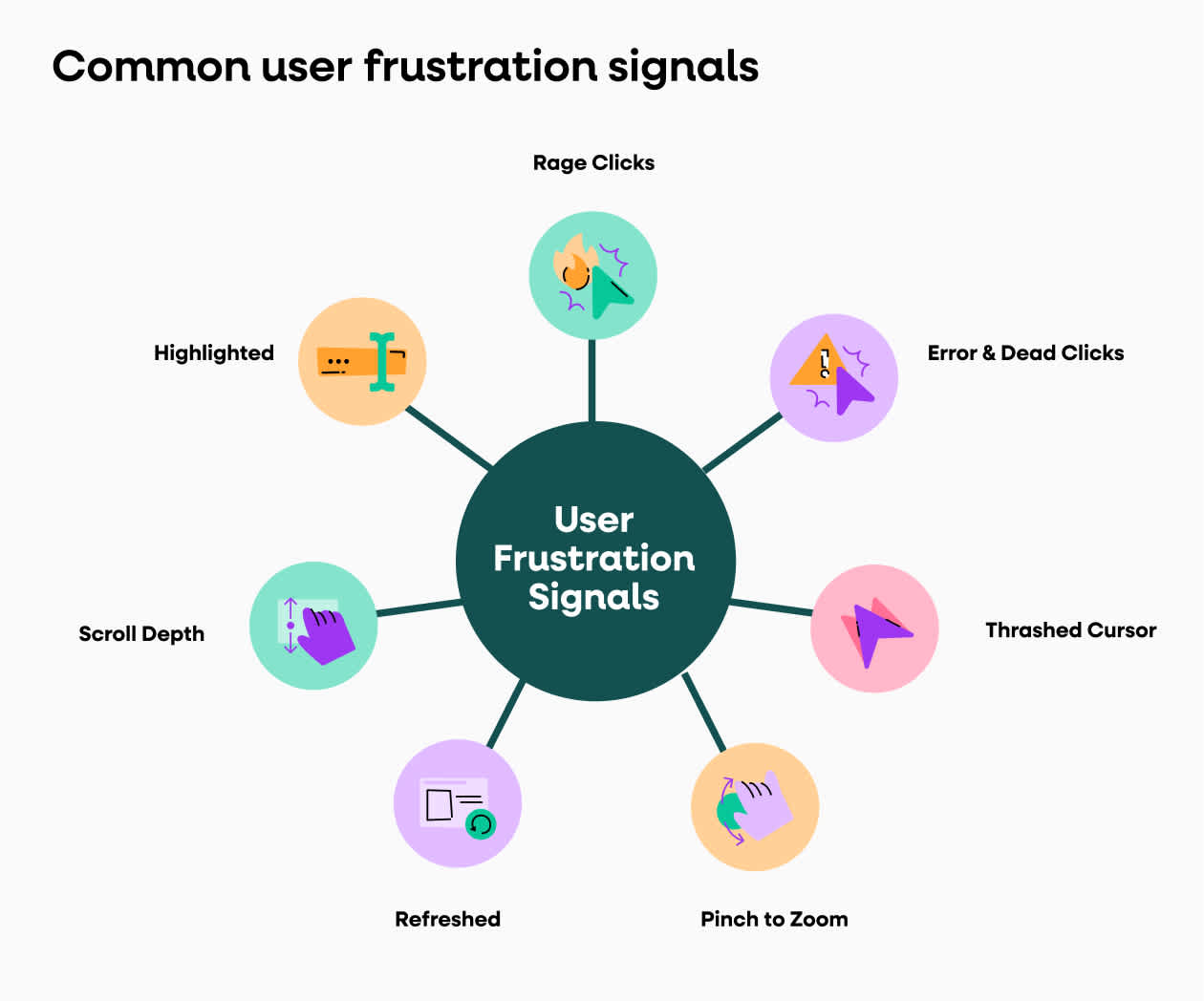
- Anomaly Detection in User Behavior: Identifying unusual patterns can flag potential security breaches, fraudulent activities, or critical user experience issues, allowing for rapid response.
Comparative Insight: Behavioral Data Platforms vs. Traditional Data Architectures
The paradigm shift towards leveraging Behavioral Data has redefined the requirements for data infrastructure, setting modern platforms apart from traditional data lakes and data warehouses. While traditional systems remain crucial for historical analysis, reporting, and broader business intelligence (BI), they are often ill-equipped to handle the velocity, volume, and complexity of behavioral event streams required for real-time personalization.
Traditional Data Lakes and Data Warehouses:
- Focus: Primarily designed for batch processing, aggregate reporting, historical analysis, and structured data queries for business intelligence. Data warehouses excel at answering predefined questions from structured data. Data lakes store raw, often unstructured data for later analysis, but typically lack the immediate processing capabilities for individual user actions.
- Data Model: Often schema-on-write (data warehouses) or schema-on-read for highly flexible, but potentially less consistent, data lakes. Optimized for relational queries and structured reporting.
- Latency: Generally higher latency, suitable for daily, weekly, or monthly reporting cycles rather than real-time interaction.
- Use Cases: Financial reporting, sales analysis, inventory management, supply chain optimization. While they can store behavioral data, extracting real-time, individual user insights for immediate action is challenging.
Behavioral Data Platforms (often integrated within CDPs or specialized analytics stacks):
- Focus: Built for capturing, processing, and acting upon individual, granular user events in real-time. The emphasis is on understanding user intent and journey at an atomic level to drive immediate, contextualized interactions.
- Data Model: Event-driven and often “schema-less” at ingestion, allowing for flexibility and capturing diverse event types. Data is then structured and enriched for specific use cases, often in a Data Lakehouse, enabling both real-time operational use and deeper analytical queries.
- Latency: Designed for near real-time or real-time processing, enabling instantaneous reactions to user behavior. This is crucial for dynamic personalization algorithms and timely marketing automation.
- Key Technologies: Leverages event streaming architectures, real-time data processing engines, and microservices for agile and scalable data pipelines.
- Use Cases: Hyper-personalization, dynamic content delivery, targeted recommendations, churn prediction, real-time fraud detection, customer journey mapping, and powering Marketing Automation Platforms. Competitors like Segment, Braze, Adobe Experience Cloud, Mixpanel, and Amplitude are prime examples of platforms specializing in this domain, often integrating seamlessly with advertising platforms and CRM systems. Even Google Analytics 4 (GA4) has significantly shifted towards an event-driven model to better capture and analyze behavioral data for personalization.
In essence, while traditional systems provide the “what happened” from an aggregate perspective, behavioral data platforms answer the “who did what, when, and why” at an individual level, enabling proactive and personalized engagement rather than reactive reporting. They are purpose-built to harness the power of user actions for actionable insights and immediate impact.
World2Data Verdict: The Future of Proactive Personalization
The journey towards truly effective personalization hinges entirely on the sophisticated capture and intelligent application of Behavioral Data. World2Data.com asserts that businesses can no longer view behavioral data collection as a mere analytical exercise, but as a critical operational necessity for maintaining competitive advantage and fostering deep customer relationships. The future belongs to organizations that can seamlessly integrate real-time behavioral insights into every customer touchpoint, from website interactions to marketing communications and product development.
Our recommendation is clear: invest strategically in robust, privacy-compliant behavioral data platforms, preferably Customer Data Platforms (CDPs), that can act as the central nervous system for all user interactions. Focus not only on data collection but also on implementing strong data governance features like Consent Management and Role-Based Access Control to build and maintain customer trust. Furthermore, prioritize the integration of AI/ML capabilities, specifically Recommendation Engines and Predictive Analytics for churn and customer lifetime value, to move beyond reactive analysis towards proactive, anticipatory personalization. The ability to identify friction points and anticipate needs through advanced Anomaly Detection in user behavior will be a key differentiator. The continuous evolution of user engagement demands a dynamic approach to behavioral data, where platforms like Segment, Braze, Amplitude, or even custom in-house solutions, are continuously optimized for real-time relevance and ethical application. Embracing this data-driven philosophy is not just about tracking user actions; it’s about understanding and responding to the human behind the screen, crafting truly unique interactions, and securing sustained growth in the digital era.