


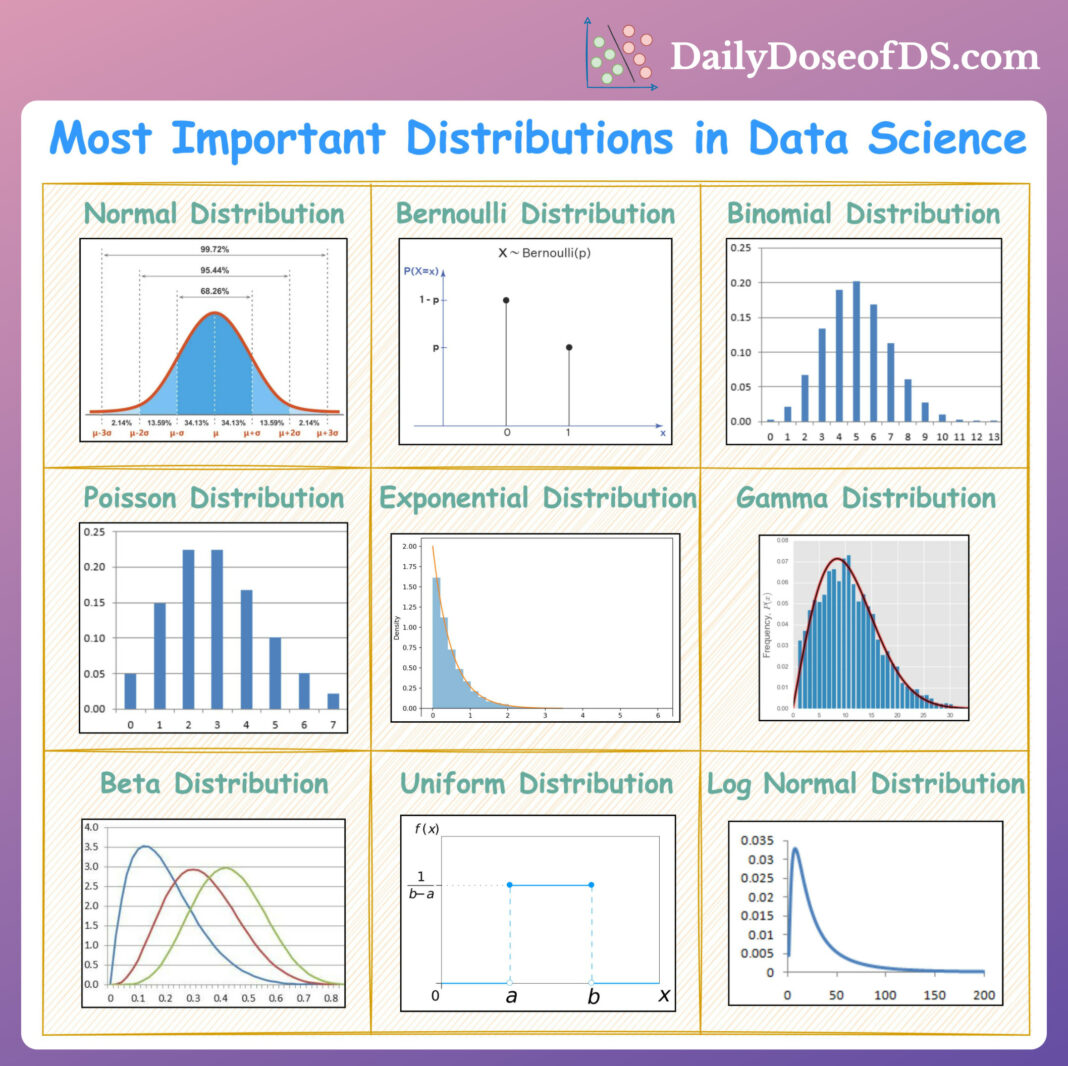
Data Distribution: Delivering the Right Data to the Right Users for Optimal Business Outcomes
- Platform Category: Data Sharing and Integration Platforms
- Core Technology/Architecture: Data Mesh and Data Fabric architectures
- Key Data Governance Feature: Role-Based Access Control and Data Catalogs
- Primary AI/ML Integration: Automated Data Quality Checks and Intelligent Data Discovery
- Main Competitors/Alternatives: Snowflake Data Cloud, Databricks Lakehouse Platform, AWS Data Exchange, Azure Data Share, Fivetran, Talend
Data Distribution: Delivering the Right Data to the Right Users is not just a technical process; it is the lifeblood of informed decision-making in today’s data-driven world. For businesses to thrive, ensuring that the correct information reaches the appropriate individual or system at the precise moment it is needed is paramount. Effective data distribution transforms raw data into actionable intelligence, empowering every facet of an organization to achieve strategic advantage and operational excellence.
Introduction: The Imperative of Effective Data Distribution
In an era defined by ubiquitous data generation, the ability to effectively manage and distribute information has become a cornerstone of competitive advantage. Modern enterprises face significant hurdles in achieving seamless data distribution. Data silos often fragment critical information across disparate systems, hindering a unified view and creating operational inefficiencies. Ensuring stringent security and compliance measures across various data distribution channels is another complex challenge, demanding robust governance frameworks. Furthermore, the sheer volume and velocity of data demand scalable and high-performing data distribution solutions to avoid bottlenecks and delays, maintaining system responsiveness and enabling real-time insights.
To combat these complexities, organizations are increasingly adopting advanced data distribution platforms that streamline the process from source to user. Implementing robust access controls is fundamental to ensuring that only authorized users receive specific data, maintaining both security and relevance. Real-time data distribution capabilities are becoming essential, enabling businesses to react swiftly to dynamic market conditions and operational changes, fostering agility and responsiveness. This article delves into the architectural nuances, challenges, and immense business value of sophisticated data distribution strategies, offering a comprehensive view of how organizations can master this critical domain.
Core Breakdown: Architecture, Challenges, and Value of Data Distribution Platforms
Effective data distribution relies on a robust foundation, integrating cutting-edge architectural paradigms and intelligent features. Modern platforms transcend simple data movement, focusing on making data discoverable, accessible, trustworthy, and governed.
Architectural Foundations and Key Components
At the heart of advanced data distribution are architectures like the Data Mesh and Data Fabric, which address the inherent complexities of diverse data sources and consumer needs. The Data Mesh advocates for decentralized data ownership, treating data as a product, where domain teams are responsible for their data products, including their quality, accessibility, and discoverability. This approach inherently improves data distribution by embedding ownership and accountability closer to the data source, ensuring data is served effectively to consumers. Conversely, the Data Fabric focuses on an integrated, metadata-driven approach, leveraging AI and machine learning to automate data discovery, integration, and governance across disparate data sources, creating a unified view without necessarily centralizing the data physically. Both paradigms aim to optimize the flow and utility of data across an organization, fundamentally enhancing data distribution capabilities.
Key components facilitating these architectures and robust data distribution include:
- Data Catalogs: These serve as central repositories for metadata, enabling users to discover, understand, and trust available data assets. A comprehensive data catalog is crucial for effective data distribution, as it allows users to quickly find the data they need, reducing search times and improving data literacy across the organization.
- Role-Based Access Control (RBAC): A cornerstone of data governance, RBAC ensures that data is distributed only to authorized users based on their roles and permissions. This granular security mechanism is vital for maintaining compliance with regulations (like GDPR, HIPAA) and protecting sensitive information while still enabling necessary data access.
- Automated Data Quality Checks: Before data is distributed, automated checks ensure its accuracy, completeness, and consistency. High-quality data is paramount for reliable insights, and these automated processes prevent the propagation of erroneous data, building trust in the distributed information. This feature is a primary AI/ML integration, leveraging algorithms to identify anomalies and suggest remediation.
- Intelligent Data Discovery: Leveraging AI and machine learning, intelligent data discovery tools go beyond simple keyword searches, recommending relevant datasets, identifying relationships between data, and even suggesting how data can be used. This significantly streamlines the process of connecting users with valuable data, accelerating insight generation.
- Data Pipelines and APIs: Robust data pipelines are essential for moving data efficiently from sources to distribution points, whether for batch processing or real-time streaming. APIs provide programmable interfaces for data access, allowing systems and applications to consume distributed data seamlessly and securely.
Challenges and Barriers to Adoption
Despite the immense benefits, implementing effective data distribution platforms comes with its own set of challenges:
- Data Silos and Integration Complexity: Merging data from legacy systems, diverse cloud environments, and external sources into a cohesive distribution strategy remains a significant hurdle. Each system often has its own formats, APIs, and governance rules, complicating unified access and delivery.
- Ensuring Data Quality and Consistency: As data moves across various systems and transformations, maintaining its quality and consistency becomes a monumental task. Data drift, schema changes, and inconsistencies can undermine the reliability of distributed data, leading to flawed decisions. Automated data quality checks mitigate this, but ongoing vigilance is required.
- Security, Privacy, and Compliance: Distributing data across an organization and potentially to external partners demands stringent security measures. Implementing fine-grained access controls, anonymization techniques, and ensuring compliance with evolving data privacy regulations (e.g., CCPA, LGPD) is complex and continuous.
- Scalability and Performance: Handling ever-increasing volumes and velocities of data while ensuring low latency for real-time applications requires highly scalable and performant infrastructure. Bottlenecks in data pipelines or overwhelmed distribution channels can severely impact operational efficiency.
- Cultural Resistance and Skill Gaps: Adopting new data distribution paradigms like Data Mesh often requires significant organizational change, including new roles, responsibilities, and collaborative models. A lack of skilled data engineers, architects, and governance specialists can hinder successful implementation.
Business Value and ROI of Optimized Data Distribution
When data distribution is optimized, the benefits ripple throughout the entire organization, yielding substantial returns on investment:
- Enhanced Decision-Making Capabilities: Leaders and teams gain immediate access to timely, accurate, and relevant insights, fostering strategic advantage. This enables data-driven decisions across all business functions, from marketing campaigns to supply chain optimization.
- Boosted Operational Efficiency: Automating data flows and reducing manual effort in data preparation and delivery frees up valuable resources. This leads to faster processes, reduced operational costs, and improved productivity across departments.
- Faster Model Deployment and AI Effectiveness: For AI and ML initiatives, rapid and reliable access to high-quality, relevant data accelerates model training and deployment. Effective data distribution ensures that AI models are fed the most current and accurate information, leading to better predictive accuracy and business outcomes.
- Improved Customer Experience: By having a 360-degree view of customers, powered by well-distributed data, companies can personalize interactions, anticipate needs, and offer more relevant products and services, leading to higher customer satisfaction and loyalty.
- Fostered Collaboration and Innovation: A unified information environment, where data is easily discoverable and accessible, promotes cross-functional collaboration. Teams can leverage diverse datasets to uncover new opportunities, leading to increased innovation and agility.

Comparative Insight: Data Distribution in Modern vs. Traditional Architectures
The landscape of data distribution has evolved dramatically, moving away from centralized, monolithic approaches towards more agile, decentralized, and intelligent systems. Understanding this shift requires a comparison with traditional data management models like Data Lakes and Data Warehouses.
Traditional Data Lakes and Data Warehouses
In traditional setups, a Data Warehouse primarily focuses on structured, curated data optimized for business intelligence and reporting. Data distribution from a data warehouse typically involves generating reports, dashboards, or providing access to specific tables for analytical tools. The process is often highly governed, centralized, and optimized for known queries, but can be rigid and slow to adapt to new data types or analytical needs.
Data Lakes, on the other hand, store vast amounts of raw, unstructured, semi-structured, and structured data. While offering flexibility for various analytical workloads, the challenge lies in bringing order to this chaos. Data distribution from a data lake often involves complex extract, transform, load (ETL) processes to prepare data for specific users or applications, leading to potential data swamp issues if not properly managed. Governance and discoverability can be significant bottlenecks, making it difficult for users to find and trust the right data.
Modern Data Distribution Platforms
Modern Data Sharing and Integration Platforms, embodying principles of Data Mesh and Data Fabric, fundamentally alter the paradigm of data distribution. Instead of a centralized funnel, these platforms create an ecosystem where data is treated as a product, readily available and consumable:
- Decentralized vs. Centralized: While traditional systems often centralize data storage and processing, modern approaches like Data Mesh advocate for decentralized domain ownership. Each domain team publishes its data products, making them discoverable and usable, shifting the burden of data distribution to responsible domain teams rather than a single central IT department.
- Push vs. Pull: Traditional models often involve data being ‘pushed’ out in predefined reports or ‘pulled’ through specific queries against a centralized repository. Modern platforms enable a more self-service ‘pull’ model, where users can discover and access data products directly through data catalogs and APIs, tailored to their specific needs.
- Static vs. Dynamic: Traditional data distribution can be relatively static, relying on scheduled ETL jobs. Modern platforms emphasize real-time or near real-time data streaming and continuous integration, ensuring that distributed data is always fresh and dynamic.
- Unified Governance vs. Isolated Controls: While traditional systems might have isolated governance rules per data store, modern Data Fabric aims for a unified, metadata-driven governance layer that applies policies consistently across all distributed data, ensuring compliance and security without impeding access.
- Data Sharing Capabilities: Competitors like Snowflake Data Cloud and Databricks Lakehouse Platform offer robust data sharing capabilities, allowing secure and controlled data distribution not just within an organization but also with external partners and customers. Services like AWS Data Exchange and Azure Data Share exemplify marketplaces for commercial data distribution. Tools like Fivetran and Talend automate data integration, ensuring raw data is efficiently moved and transformed, making it ready for distribution to various consumers.
The core difference lies in moving from a constrained, often bottlenecked approach to a fluid, self-service, and highly governed environment where data flows freely and intelligently to those who need it most, when they need it.

World2Data Verdict: The Future of Intelligent Data Distribution
The strategic importance of effective data distribution cannot be overstated in the current and future data landscape. Organizations that master the art and science of delivering the right data to the right users will unlock unprecedented levels of agility, innovation, and competitive differentiation. World2Data believes that the evolution will continue towards increasingly intelligent, self-optimizing, and highly governed data ecosystems. The future of data distribution will be characterized by platforms that not only facilitate data movement but also proactively anticipate user needs, enforce granular policy controls through AI-driven mechanisms, and seamlessly integrate across hybrid and multi-cloud environments. The focus will shift from simply moving data to ensuring data utility, trust, and ethical consumption at scale. Enterprises must invest in evolving their data distribution strategies towards these adaptive and intelligent models to truly harness the power of their data assets and drive sustainable growth.