


Customer Feedback Data: Turning Opinions into Actionable Insights
Effectively managing Customer Feedback Data is no longer optional; it’s a strategic imperative for any organization aiming for sustained success and innovation in today’s dynamic market. This deep dive explores how leveraging customer feedback transforms raw opinions into actionable intelligence, driving product enhancements, fostering loyalty, and securing a competitive edge. Understanding and acting upon this invaluable data is the cornerstone of customer-centric growth.
Platform Category: Customer Feedback Management (CFM) Platforms, Text Analytics Tools, Survey Software
Core Technology/Architecture: Natural Language Processing (NLP), Machine Learning Algorithms, Cloud-based Data Storage and Processing
Key Data Governance Feature: Data Anonymization/Pseudonymization, Consent Management, Role-Based Access Control, Data Retention Policies
Primary AI/ML Integration: Sentiment Analysis, Topic Modeling, Named Entity Recognition, Predictive Analytics for Customer Behavior
Main Competitors/Alternatives: Qualtrics, Medallia, SurveyMonkey, Salesforce, specialized Text Analytics providers
Introduction: The Unfiltered Voice of the Customer
In an increasingly competitive landscape, the ability to truly understand and respond to your audience distinguishes market leaders from followers. This understanding is primarily derived from effectively capturing, analyzing, and acting upon Customer Feedback Data. This article delves into the critical role of customer feedback, exploring its components, the technological underpinnings of its analysis, and the profound business value it unlocks. By transforming subjective opinions into objective, actionable insights, organizations can refine products, optimize services, and cultivate deeper, more meaningful customer relationships. We will unpack how advanced platforms and analytical approaches are revolutionizing the way businesses engage with and learn from their customers, making Customer Feedback Data the bedrock of informed decision-making and continuous improvement.
Core Breakdown: Architecting Insights from Customer Feedback Data
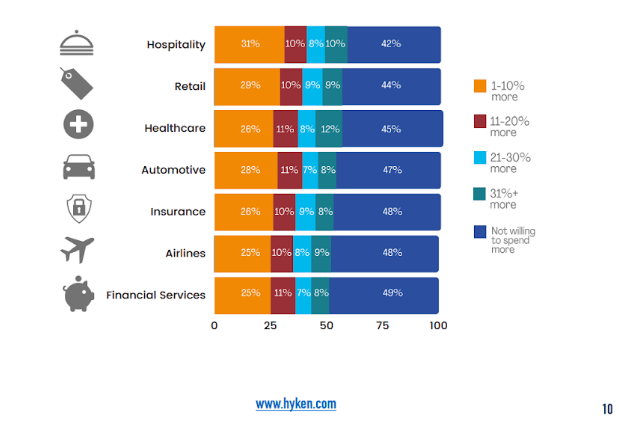
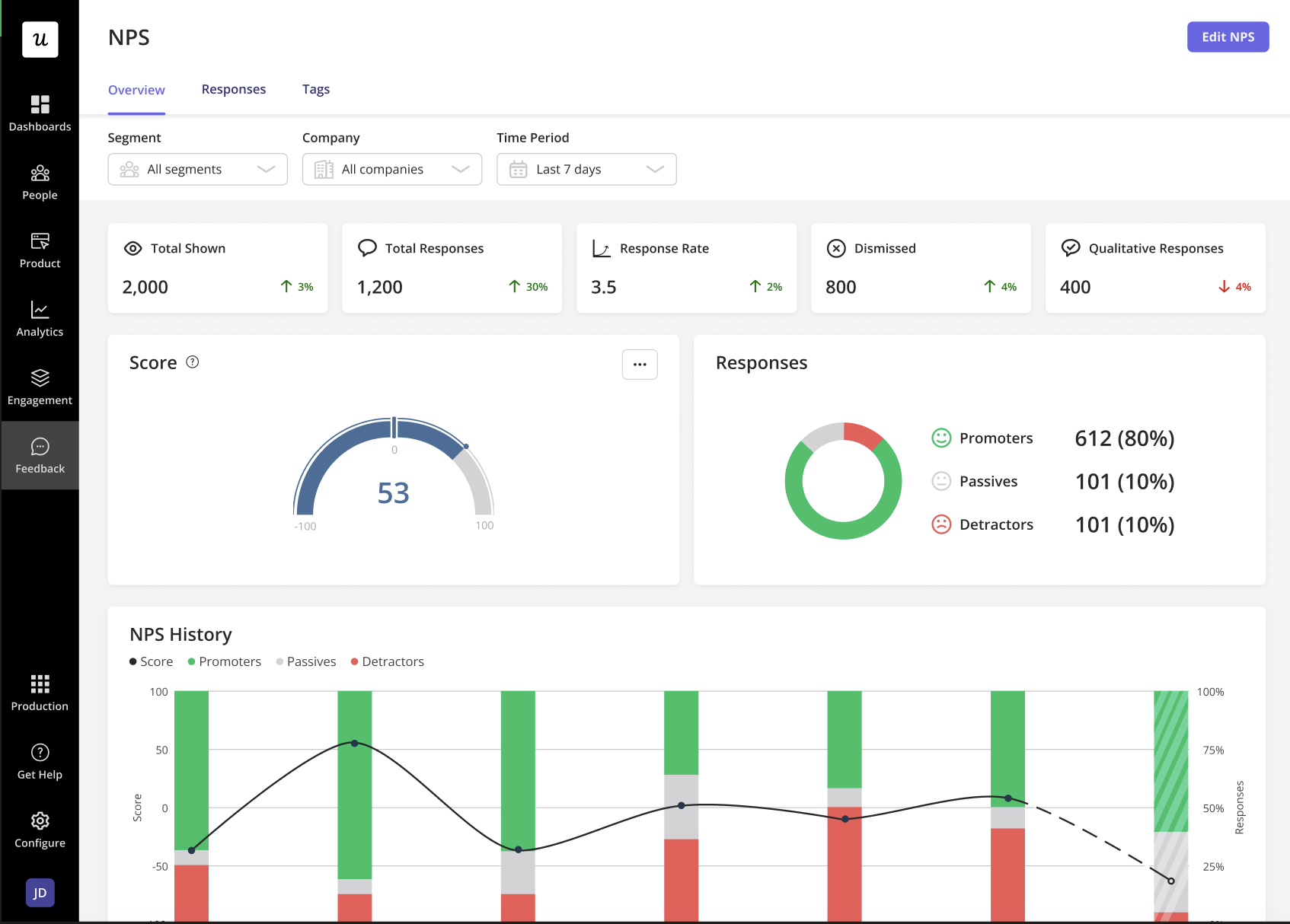
Customer feedback data encompasses all information, opinions, and experiences shared by customers about a company’s products, services, or overall brand. It’s the unfiltered voice of your market, providing invaluable perspectives that are crucial for strategic development. This data can range from direct survey responses and NPS scores to indirect social media comments, online reviews, support tickets, and even call center transcripts, offering a rich tapestry of qualitative and quantitative inputs for analysis. The effective management of this data involves a multi-faceted approach, leveraging sophisticated platforms and analytical techniques.
The Foundation of Understanding: Defining Raw Customer Insights
Modern Customer Feedback Management (CFM) platforms are built on robust architectures designed to ingest, process, and analyze vast volumes of diverse data. Key components include:
- Data Ingestion Layer: Connectors for various sources like CRM systems, survey tools, social media APIs, email, and live chat. This layer ensures all touchpoints are captured consistently.
- Data Storage and Processing: Cloud-based data lakes or warehouses (e.g., AWS S3, Google Cloud Storage, Azure Data Lake) provide scalable storage, while processing engines (e.g., Spark, Flink) handle real-time and batch processing.
- Natural Language Processing (NLP) Engine: This is the heart of qualitative feedback analysis. NLP algorithms parse text, identifying key entities, themes, and sentiments. Techniques like tokenization, lemmatization, part-of-speech tagging, and dependency parsing prepare the data for deeper analysis.
- Machine Learning (ML) Models:
- Sentiment Analysis: Classifies the emotional tone (positive, negative, neutral) of feedback at various granularities (sentence, paragraph, document). Advanced models can detect nuances like sarcasm or irony.
- Topic Modeling: Unsupervised learning techniques (e.g., LDA, NMF) automatically discover abstract “topics” within large collections of text, revealing prevalent themes without prior tagging.
- Named Entity Recognition (NER): Identifies and categorizes key information like product names, locations, organizations, and specific customer issues within unstructured text.
- Predictive Analytics: Uses historical feedback and customer behavior to forecast future trends, churn risk, or the likelihood of specific product adoption.
- Data Labeling and Annotation Tools: For supervised ML models, human annotators label data to train and validate algorithms, ensuring accuracy in sentiment, topic, and entity extraction.
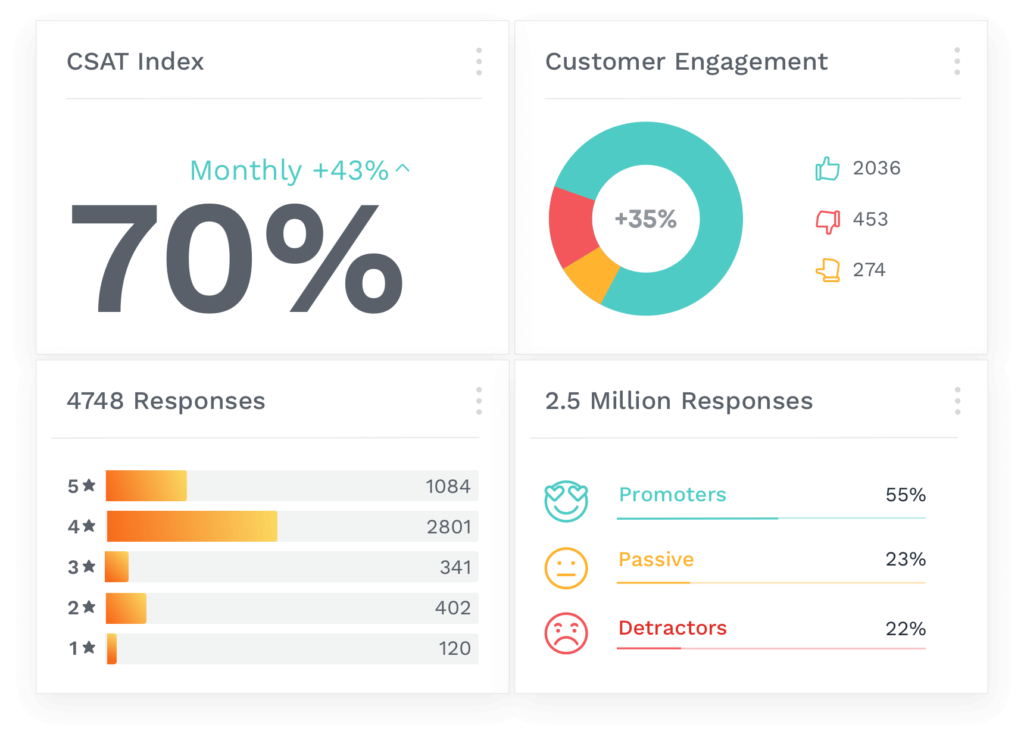
- Analytics and Visualization Layer: Dashboards, reports, and visualization tools present insights in an easily digestible format for business users, enabling trend identification, root cause analysis, and performance tracking.
- Integration & Action Layer: Connectors to other business systems (e.g., ticketing systems, marketing automation, product management tools) to enable automated workflows and immediate action based on feedback insights.
Challenges and Barriers to Adoption in Customer Feedback Data Analysis
Despite its immense potential, harnessing Customer Feedback Data effectively presents several challenges:
- Data Volume and Velocity: The sheer volume of feedback generated daily, combined with its diverse formats (text, audio, video), can overwhelm traditional systems and manual analysis efforts. Real-time feedback streams require robust, scalable infrastructure.
- Data Quality and Consistency: Feedback can be unstructured, ambiguous, incomplete, or contain slang and misspellings, making accurate interpretation difficult. Ensuring consistency across multiple collection channels is also a hurdle.
- Sentiment Misinterpretation and Nuance: NLP models, while advanced, can struggle with sarcasm, cultural context, domain-specific jargon, and contradictory statements, leading to inaccurate sentiment or topic classification.
- Bias in Feedback Collection: The method of feedback collection (e.g., surveys vs. social media) can introduce biases, leading to an unrepresentative sample of customer opinion. Passive feedback might only come from extreme ends of the satisfaction spectrum.
- Actionability Gap: Extracting insights is one thing; translating them into actionable steps and integrating them into business processes is another. Without clear ownership and cross-functional collaboration, insights can remain siloed and unused.
- Data Governance and Privacy: Handling sensitive customer data requires strict adherence to privacy regulations (e.g., GDPR, CCPA). Anonymization, consent management, and secure data handling are paramount.
Business Value and ROI of a Robust Customer Feedback Strategy
Investing in sophisticated Customer Feedback Data platforms and strategies yields significant returns, driving growth and operational efficiency:
- Accelerated Product Development Cycles: By identifying pain points and desired features directly from customer input, businesses can prioritize product roadmap items, reducing development time for features customers don’t need and focusing on those that matter most. This leads to faster time-to-market for impactful innovations.
- Improved Customer Retention and Loyalty: Actively listening and responding to feedback makes customers feel valued. Addressing their concerns proactively and implementing requested improvements reduces churn and fosters deeper loyalty, increasing Customer Lifetime Value (CLTV).
- Enhanced Brand Reputation: Transparently addressing customer issues and showcasing improvements based on feedback builds trust and strengthens brand perception. Positive customer experiences, fueled by responsive feedback loops, translate into positive word-of-mouth and better online reviews.
- Proactive Issue Resolution: Advanced analytics can detect emerging issues or negative sentiment trends early, allowing companies to intervene before problems escalate and impact a wider customer base, saving support costs and preventing PR crises.
- Optimized Resource Allocation: By understanding which aspects of the product or service are most critical to customer satisfaction, resources can be directed more effectively, whether in R&D, customer support, or marketing, maximizing ROI.
- Actionable Strategic Insights: Beyond tactical improvements, comprehensive Customer Feedback Data analysis provides high-level strategic insights into market trends, competitive positioning, and unmet customer needs, guiding long-term business strategy.
Comparative Insight: Modern CFM vs. Traditional Data Analysis
The evolution of Customer Feedback Data analysis represents a significant leap from traditional data lake or data warehouse approaches, especially when it comes to unstructured data. Historically, organizations might have stored survey results in a data warehouse and performed basic aggregations. Unstructured feedback, if collected at all, was often manually reviewed, leading to:
- Limited Scalability: Manual review of thousands of comments is impractical and prone to human error and fatigue.
- Surface-Level Insights: Without sophisticated NLP, it was difficult to extract nuanced sentiment, identify emerging topics, or connect disparate pieces of feedback across channels.
- Delayed Action: The time lag between feedback collection and analysis meant insights were often stale by the time they reached decision-makers, reducing their relevance and impact.
- Siloed Information: Feedback from different channels (e.g., social media, support calls, surveys) often remained in separate silos, making a holistic view of the customer impossible.
Modern CFM platforms, powered by AI and ML, transcend these limitations. While traditional data lakes and warehouses still serve as foundational storage for structured customer data, they are often augmented by or integrated with specialized text analytics and NLP engines for unstructured feedback. This hybrid approach allows for:
- Holistic Customer View: By integrating and analyzing structured (e.g., purchase history, demographics) and unstructured (e.g., reviews, chat logs) data, businesses gain a 360-degree view of the customer, understanding not just what they do but why.
- Deep, Nuanced Insights: NLP and ML can uncover hidden patterns, subtle sentiments, and emergent topics from massive datasets in real-time, providing a depth of understanding previously unattainable.
- Automation and Efficiency: Automated sentiment analysis, topic modeling, and issue categorization free up human analysts to focus on higher-level strategic interpretation and action, rather than laborious data sifting.
- Predictive Capabilities: Leveraging historical feedback, modern platforms can predict future customer behavior, churn risk, or the success potential of new features, enabling proactive rather than reactive strategies.
- Scalability and Speed: Cloud-native architectures and advanced algorithms can process petabytes of Customer Feedback Data rapidly, delivering fresh insights on demand.
In essence, traditional systems were excellent for structured, quantitative data. Modern CFM platforms extend this capability by bringing structure and meaning to the messy, qualitative world of customer opinions, turning a significant data challenge into a strategic asset.
World2Data Verdict: The Imperative for Integrated Feedback Intelligence
The era of treating Customer Feedback Data as a secondary or merely reactive input is over. World2Data believes that integrating advanced Customer Feedback Management (CFM) platforms, powered by cutting-edge NLP and ML, is no longer a luxury but a fundamental requirement for any forward-thinking enterprise. The future lies in creating a unified feedback intelligence layer that not only processes diverse data streams in real-time but also seamlessly integrates insights into every operational and strategic decision-making process. Organizations must invest in robust data governance, advanced analytical capabilities, and, crucially, foster a culture of actionability around customer insights. The next competitive frontier will be defined by how swiftly and intelligently businesses can transform raw customer opinions into continuous, empathetic product and service innovation.