

Intent Data: Predicting Customer Needs Before They Ask – The Future of Proactive Engagement
In today’s hyper-competitive digital landscape, understanding your customers is no longer enough; anticipating their needs before they explicitly voice them is the ultimate differentiator. Intent Data offers a revolutionary approach, allowing businesses to predict what their prospects require, often before those needs are explicitly articulated. This powerful form of intelligence tracks digital behaviors across various touchpoints, revealing genuine interest and purchase intent, fundamentally transforming how companies engage with their market and empowering platforms in categories like Sales Intelligence, Marketing Intelligence, Customer Data Platforms (CDPs), and Predictive Analytics.
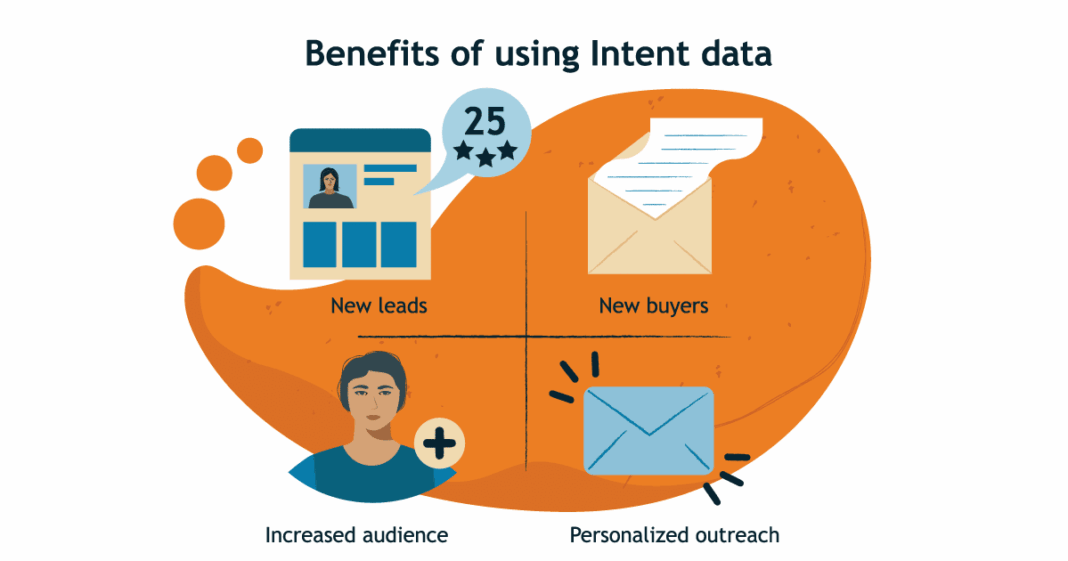
Understanding intent data profoundly reshapes customer engagement strategies. This critical information pinpoints individuals and companies actively researching solutions related to your offerings, providing a deeper context than traditional demographics. It highlights specific topics of interest and potential pain points that drive buyer journeys online, empowering sales and marketing teams to connect with greater relevance and precision. Implementing intent data enhances sales and marketing effectiveness, driving higher engagement and improved conversion metrics through targeted, personalized outreach.
Introduction: The Unseen Signals Driving Modern Business Decisions
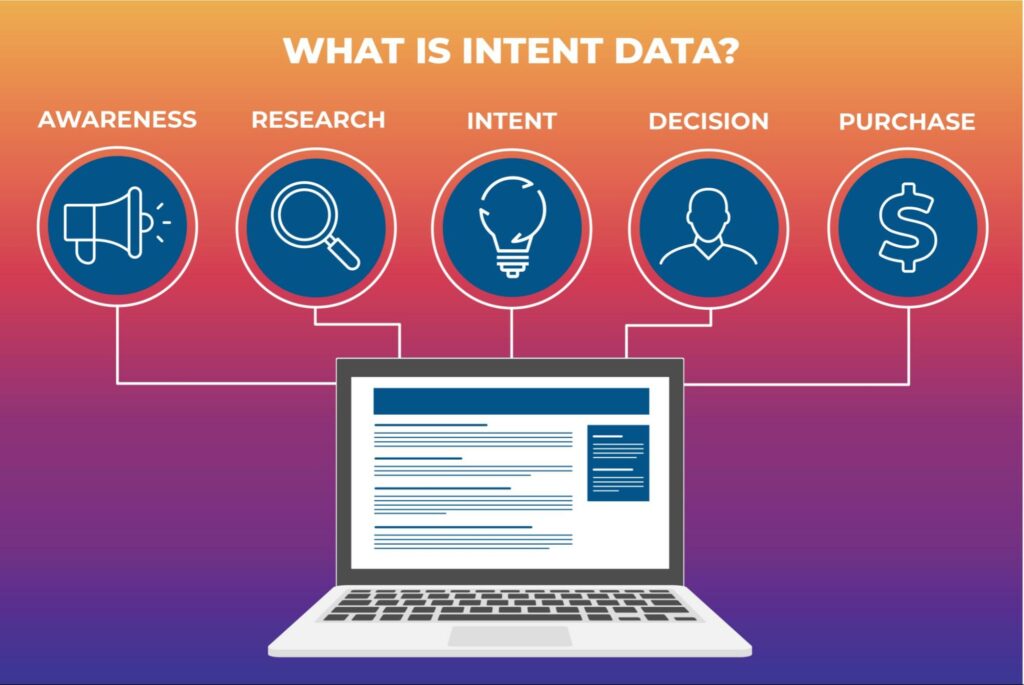
The digital footprint left by individuals and organizations as they navigate the internet is a goldmine of information, a treasure trove of unspoken desires and pending decisions. This is the realm of Intent Data – the aggregated insights gleaned from online behaviors that signal a propensity to purchase a product or service. Unlike static demographic or firmographic information, intent data is dynamic, real-time, and predictive, offering a window into the mind of the buyer. For World2Data.com, analyzing this emerging data category is crucial for businesses aiming to optimize their Sales Intelligence, Marketing Intelligence, and overall Customer Data Platforms (CDPs) with advanced Predictive Analytics capabilities.
The objective of this deep dive is to dissect the technical underpinnings, strategic value, and operational challenges associated with leveraging intent data. We will explore how technologies like Behavioral Tracking, Natural Language Processing (NLP), and Machine Learning (ML) algorithms converge to create a powerful predictive engine. By the end, readers will grasp why intent data is not merely an enhancement but a fundamental shift in how organizations approach lead generation, customer acquisition, and retention, providing a significant competitive advantage by truly predicting customer needs before they surface.
Core Breakdown: Unpacking the Mechanism and Value of Intent Data
At its heart, Intent Data is a sophisticated aggregation and analysis of digital signals. These signals can originate from various sources, indicating a user’s research activity, content consumption patterns, and engagement with specific topics or keywords. The architecture supporting intent data platforms is complex, integrating multiple technologies to derive actionable insights.
Sources and Core Technology/Architecture
- First-Party Intent Data: This is proprietary data collected directly from a company’s own assets – website visits, CRM interactions, email engagement, content downloads, and product usage data. It provides the most accurate and specific signals about known prospects and customers.
- Second-Party Intent Data: Data shared directly between partners. For instance, a software vendor might share anonymized behavioral data with a complementary hardware provider.
- Third-Party Intent Data: This is the most common form of intent data, aggregated from a vast network of thousands of publishers, research sites, forums, and ad exchanges. Companies like Bombora, G2 Buyer Intent, 6sense, and Demandbase specialize in collecting, normalizing, and syndicating this data. It provides a broader view of market-wide trends and unknown prospects actively researching specific topics.
The underlying technological stack for processing this influx of information is robust:
- Behavioral Tracking: Utilizes cookies, pixel tracking, IP address resolution, and other digital footprints to identify and follow user journeys across the web. This forms the foundation for understanding what individuals or companies are researching.
- Natural Language Processing (NLP): Essential for understanding the context and sentiment of consumed content. NLP algorithms analyze articles read, search queries, whitepapers downloaded, and forum discussions to extract the specific topics and pain points indicating intent.
- Machine Learning (ML) Algorithms: These are the brains of the operation. Predictive modeling is used for lead scoring (prioritizing prospects based on intent strength), customer segmentation (grouping buyers by shared interests), and even churn prediction (identifying accounts showing signs of disengagement). Anomaly detection can flag unusual buying signals, while topic modeling helps categorize the vast array of content into meaningful intent categories.
- Big Data Processing: Given the sheer volume and velocity of digital interactions, robust Big Data Processing frameworks (e.g., Apache Spark, Hadoop) are critical for collecting, storing, cleaning, and analyzing petabytes of real-time data efficiently.
- Data Integration: Seamlessly merging first-party, second-party, and third-party data sources into a unified view, often within a Customer Data Platform (CDP) or CRM system, is paramount for a holistic understanding of customer intent.
Key Data Governance Features for Intent Data
Given the sensitive nature of behavioral data, stringent data governance is non-negotiable:
- Data Privacy Controls: Compliance with regulations like GDPR, CCPA, and others is fundamental. Platforms must offer robust mechanisms for managing and protecting user data.
- Consent Management: Clear processes for obtaining, recording, and respecting user consent for data collection and usage are vital.
- Data Anonymization: Techniques to strip personally identifiable information (PII) from aggregated data ensure privacy while retaining analytical value.
- User Access Management: Granular controls to define who within an organization can access and utilize specific intent data segments.
- Data Retention Policies: Defined rules for how long intent data is stored, ensuring compliance and data hygiene.
Primary AI/ML Integration for Actionable Insights
The true power of intent data is unleashed through its integration with AI and ML for actionable outcomes:
- Built-in ML models: These models are specifically designed for tasks like automated lead scoring, identifying high-propensity buyers, detailed customer segmentation based on evolving interests, churn prediction for at-risk accounts, and personalized recommendations for content or product features.
- Topic Modeling: ML algorithms analyze the content consumed to identify predominant themes and emerging intent signals, allowing for proactive content strategy adjustments.
- Integration with CRM/Marketing Automation platforms: Intent data feeds directly into systems like Salesforce (with Einstein AI for sales/marketing) or HubSpot (with intent features) to trigger AI-driven workflows, such as dynamic email campaigns, automated sales outreach sequences, or real-time website personalization.
Challenges/Barriers to Adoption
Despite its promise, implementing Intent Data comes with its own set of hurdles:
- Data Quality and Accuracy: The vastness of third-party data can lead to noise, false positives, or outdated signals if not properly curated and validated. Ensuring the data is truly indicative of intent and not just casual browsing is a continuous challenge.
- Data Privacy and Compliance: Navigating the ever-evolving landscape of global data privacy regulations (GDPR, CCPA, etc.) requires constant vigilance and robust governance frameworks. Missteps can lead to severe penalties and reputational damage.
- Integration Complexity: Unifying disparate first-party, second-party, and third-party data sources into a cohesive and actionable view often requires significant technical expertise and robust API integrations. Many organizations struggle with data silos.
- Attribution and ROI Measurement: While intent data clearly enhances sales and marketing efforts, precisely attributing revenue generated solely from intent-driven actions can be complex. Proving a direct return on investment requires sophisticated analytics and a clear attribution model.
- Skill Gap: Extracting maximum value from intent data requires data scientists, analysts, and marketing strategists proficient in interpreting complex behavioral patterns and translating them into actionable campaigns. Many organizations lack this specialized talent internally.
Business Value and ROI of Intent Data
Overcoming these challenges unlocks substantial business value:
- Faster Sales Cycles & Improved Conversions: Sales teams can prioritize leads based on active intent signals, focusing their efforts on prospects most likely to convert. This leads to more efficient resource allocation and higher close rates.
- Highly Personalized Marketing: Marketers can craft ultra-relevant campaigns, delivering content and offers that align precisely with a prospect’s current research topics and pain points. This dramatically increases engagement and reduces ad waste.
- Enhanced Customer Experience: Proactive engagement based on understood needs builds stronger customer relationships. Companies can anticipate issues, recommend relevant solutions, and provide timely support, leading to higher satisfaction and retention.
- Competitive Edge: By knowing who is actively looking for specific solutions, businesses can proactively reach out with tailored messages, positioning their brand as the go-to provider precisely when prospects are in their decision-making phase. This foresight allows for timely interventions, often before competitors are even aware of the opportunity.
- Optimized Resource Allocation: Both sales and marketing teams can focus their efforts on high-value activities, reducing wasted time on unqualified leads or irrelevant campaigns. This efficiency translates directly into cost savings and increased productivity.
- Product Development Insights: By tracking trending topics of interest, product teams can identify emerging market needs and validate potential new features or product lines.

Comparative Insight: Intent Data vs. Traditional Data Approaches
Understanding the unique power of Intent Data requires a clear comparison with traditional data models that have long informed business strategies. For decades, companies relied primarily on demographic and firmographic data, complemented by historical transaction records.
Traditional Data Lakes/Data Warehouses: The ‘Who’ and ‘What Happened’
Traditional data models, typically housed in Data Lakes or Data Warehouses, excel at providing a historical snapshot and answering questions like:
- Who is our customer? (Demographics: age, gender, location; Firmographics: industry, company size, revenue).
- What did they buy? (Transaction history).
- When did they buy it? (Purchase dates).
- What were their past interactions? (CRM records).
These data sources are static, representing attributes or events that have already occurred. While invaluable for segmentation, reporting, and understanding past performance, they lack the real-time, forward-looking predictive power needed in fast-paced markets. They tell you who *might* be interested based on their profile, but not who is *currently* interested.
Intent Data: The ‘Why Now’ and ‘What Next’
In contrast, Intent Data is fundamentally behavioral and predictive. It answers crucial questions traditional data cannot:
- What are they actively researching RIGHT NOW?
- Are they in an active buying cycle for a specific solution?
- What are their current pain points or emerging needs?
- How does their interest level compare to their peers or previous behavior?
This dynamic nature allows businesses to move beyond reactive sales and marketing. Instead of waiting for a prospect to fill out a form or directly engage, intent data platforms, often powered by advanced ML models, can identify signals of interest and urgency as they happen across the web. This means you know a company is researching “cloud security solutions” or “CRM migration services” before they ever contact you.
Synergy, Not Replacement
It’s crucial to understand that intent data doesn’t replace traditional data; it augments and enriches it. The most effective strategies combine both:
- Use firmographic data to identify your target accounts.
- Use demographic data to understand the personas within those accounts.
- Then, layer on Intent Data to pinpoint which of those target accounts and personas are actively researching solutions relevant to you, indicating a higher propensity to buy.
This integrated approach is precisely what leading Sales Intelligence and Marketing Intelligence platforms like ZoomInfo, G2 Buyer Intent, Bombora, 6sense, Demandbase, Clearbit, Albacross, HubSpot (with its intent features), and Salesforce (with Einstein AI) aim to provide. They combine vast databases of company and contact information with sophisticated intent signal tracking to offer a holistic view of the buyer journey, pushing businesses towards truly predictive analytics platforms.
World2Data Verdict: The Indispensable Compass for Future-Proof Businesses
The strategic value of Intent Data transcends mere efficiency gains; it represents a fundamental shift towards a proactive, customer-centric business model. For any organization looking to thrive in the data-driven economy, embracing intent data is no longer an option but a strategic imperative. World2Data.com believes that the future belongs to enterprises that can not only understand their customers but anticipate their unspoken needs with unparalleled precision.
Our recommendation is clear: invest in robust Intent Data capabilities, prioritizing platforms that offer strong data governance features alongside advanced AI/ML integrations. Begin by auditing your first-party data collection, then strategically integrate high-quality second and third-party intent signals. Focus on building an internal culture that values data literacy and cross-functional collaboration between sales, marketing, and product teams to fully leverage these insights. The organizations that master the art of predicting customer needs before they ask will not only secure a competitive advantage but will redefine customer relationships, fostering loyalty and driving sustainable growth for years to come. The era of reactive engagement is over; the age of predictive customer intelligence, powered by intent data, is here to stay.