



Audience Data: The Cornerstone of Precise Target Profiles for Modern Marketers
**Platform Category:** Customer Data Platform (CDP) and Data Management Platform (DMP)
**Core Technology/Architecture:** Big Data Processing, Machine Learning Algorithms, Data Integration
**Key Data Governance Feature:** Consent Management, Data Quality Management, Role-Based Access Control
**Primary AI/ML Integration:** Predictive Analytics for Segmentation, Personalized Content Recommendations, Look-alike Modeling
**Main Competitors/Alternatives:** Salesforce (CDP/Marketing Cloud), Adobe Experience Platform, Tealium, Segment (Twilio), ActionIQ
Audience Data: How Marketers Build Precise Target Profiles reveals the cornerstone of effective marketing in today’s digital age. Understanding who your customers are, what they want, and how they behave is no longer a luxury but a fundamental necessity. Leveraging comprehensive Audience Data allows businesses to move beyond broad assumptions, crafting campaigns that resonate deeply with specific segments and driving significantly higher engagement and conversion rates.
Introduction: Decoding Consumer Intent with Audience Data
The contemporary marketing landscape is characterized by an unprecedented volume of information, yet true insight remains the most valuable commodity. Understanding the foundation of Audience Data is crucial for any marketing endeavor seeking real impact. This encompasses all information collected about potential and existing customers, from demographics and psychographics to online behavior, purchase history, and interactions across various touchpoints. It is indispensable for modern marketing strategies because it empowers marketers to decode consumer intent, predict future actions, and tailor communication with unprecedented accuracy.
Historically, marketers relied on broad demographic segmentation and educated guesses. Today, the sheer volume and velocity of digital interactions generate a rich tapestry of Audience Data, enabling a paradigm shift towards hyper-personalization. The objective is not merely to collect data, but to transform it into actionable intelligence that informs every facet of a marketing strategy. From optimizing ad spend to refining product development, robust Audience Data strategies are the engine driving customer-centric growth.
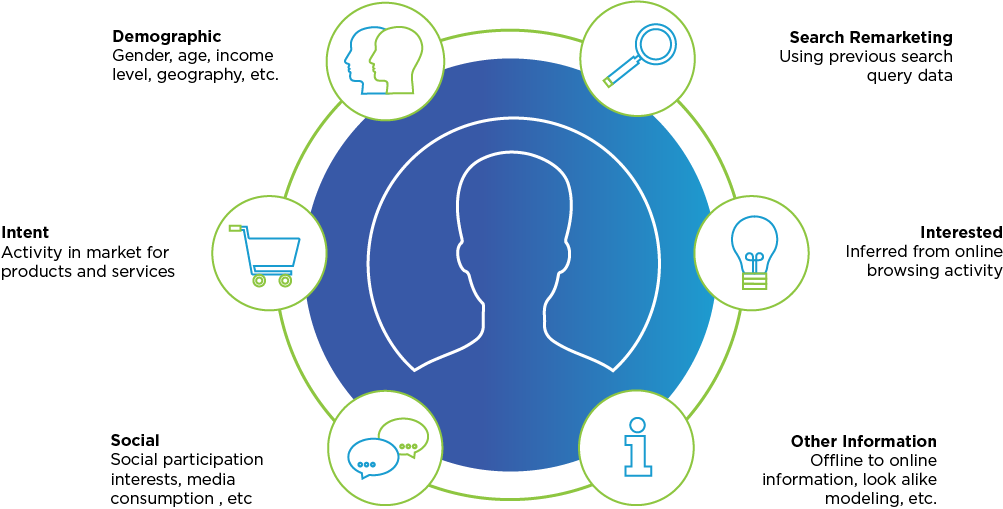
Diverse categories of Audience Data provide various layers of insight for marketers. Exploring first-party data, gathered directly from a company’s own interactions like website visits, CRM records, app usage, email engagement, or loyalty programs, offers invaluable direct insights into customer relationships and behaviors on properties owned by the brand. This proprietary data is often the most accurate and relevant, reflecting direct customer engagement and intent. The value of second-party data comes from strategic partnerships, where one company shares its first-party data with a trusted entity for mutual benefit. This often involves data-sharing agreements that are highly targeted and secure, extending reach to complementary audiences. Broad reach is provided by third-party data, aggregated from numerous sources by specialized providers, offering scale and breadth to identify new segments and market trends. While third-party data can be expansive, its quality and relevance can vary, making careful selection and integration critical for effective use in building comprehensive target profiles. The strategic combination and rigorous analysis of these data types are what elevate marketing efforts from generic outreach to highly targeted engagement, powered by deep understanding of Audience Data.
Core Breakdown: Deconstructing the Audience Data Platform for Precision Marketing
Harnessing the power of Audience Data requires a sophisticated infrastructure that can collect, process, analyze, and activate insights at scale. This infrastructure is typically anchored by solutions like Customer Data Platforms (CDP) and Data Management Platforms (DMP), which leverage advanced technologies to unify disparate data points into a cohesive customer view.
Components and Architecture of Audience Data Platforms
At the heart of modern Audience Data strategies are platforms designed to bring order and utility to vast data sets. Customer Data Platforms (CDPs) excel at creating a persistent, unified customer database accessible to other systems. They consolidate first-party data from online and offline sources, resolving customer identities across various channels to build comprehensive individual profiles. This unification is crucial for understanding a customer’s complete journey, from initial interaction to repeat purchase. Data Management Platforms (DMPs), on the other hand, traditionally focus on collecting, organizing, and activating anonymous audience data, primarily third-party data, for advertising campaigns. While CDPs build known customer profiles, DMPs specialize in segmenting large, anonymous audiences for targeted ad delivery. Increasingly, these platforms are converging, or being used in tandem, to provide a holistic view for both identified customers and prospective audiences.
The technological backbone of these platforms relies heavily on robust Big Data Processing capabilities. Handling petabytes of customer interactions, clickstreams, transactions, and demographic information demands distributed computing frameworks and real-time processing engines. These systems must ingest data from various sources—web analytics, CRM systems, social media feeds, email platforms, point-of-sale systems, IoT devices, and more—and process it efficiently. This extensive Data Integration is performed through a network of APIs, connectors, and ETL (Extract, Transform, Load) processes, ensuring that data flows seamlessly into the central platform for analysis and activation.
Once integrated, raw data is transformed into actionable insights through the application of sophisticated Machine Learning Algorithms. These algorithms power key functionalities such as:
- Identity Resolution: Stitching together fragmented customer data points (e.g., email address, device ID, cookie ID) to create a single, unified customer profile.
- Segmentation: Automatically grouping customers into distinct segments based on shared attributes, behaviors, or predicted intent.
- Predictive Analytics: Forecasting future customer actions, such as churn risk, likelihood to purchase, or preferred products, enabling proactive marketing interventions.
- Personalization: Recommending content, products, or offers tailored to individual preferences, enhancing engagement and conversion rates.
Data Governance and Security in Audience Data Platforms
The immense power of Audience Data comes with significant responsibility. Effective data governance is non-negotiable, ensuring compliance, ethical use, and data quality. Consent Management features are paramount, allowing marketers to accurately track and manage customer permissions regarding data collection, usage, and communication preferences, adhering to regulations like GDPR, CCPA, and others. This builds trust and avoids legal pitfalls. Similarly, Data Quality Management tools are integrated to cleanse, deduplicate, standardize, and enrich data, ensuring that the insights derived are accurate and reliable. Poor data quality leads to flawed profiles, ineffective campaigns, and wasted resources. Finally, Role-Based Access Control mechanisms are critical for data security, ensuring that only authorized personnel have access to sensitive customer information, preventing breaches and maintaining privacy.
AI/ML Integration in Action: Building Precise Target Profiles
The true magic of Audience Data platforms unfolds with the seamless integration of Artificial Intelligence and Machine Learning. These advanced capabilities transform raw data into predictive intelligence, enabling marketers to move beyond reactive campaigns to proactive, hyper-personalized engagement.
- Predictive Analytics for Segmentation: ML algorithms analyze historical data to predict future behaviors, such as the likelihood of a customer purchasing a specific product, churning, or responding to a particular offer. This allows for dynamic, high-value segmentation, where audiences are grouped not just by what they have done, but what they are likely to do next. For example, identifying customers with a high predicted lifetime value for VIP treatment or those at risk of churn for retention campaigns.
- Personalized Content Recommendations: Using collaborative filtering and content-based recommendation engines, AI can analyze an individual’s past interactions, preferences, and behavior patterns to suggest highly relevant products, articles, videos, or services. This drives engagement on websites, apps, and emails, significantly improving the customer experience and conversion rates.
- Look-alike Modeling: This powerful technique involves using ML to identify new audiences who share similar characteristics and behaviors with existing high-value customers. Marketers can feed their best customer segments into an Audience Data platform, and the system will then identify broader audiences on ad networks or social platforms that “look like” their ideal customers, dramatically expanding reach for acquisition campaigns with higher targeting accuracy.
Challenges and Barriers to Adoption of Audience Data Strategies
Despite the undeniable benefits, implementing and maximizing Audience Data strategies comes with its own set of hurdles. One significant challenge is data silos and integration complexity. Organizations often have customer data scattered across numerous disparate systems—CRM, ERP, marketing automation, e-commerce, customer service—making it incredibly difficult to achieve a unified customer view. Integrating these systems requires significant technical effort and expertise, often involving custom development and ongoing maintenance. Furthermore, ensuring high data quality is a continuous battle; inaccuracies, incompleteness, and inconsistencies within data can lead to flawed insights and ineffective campaigns. Without robust Data Quality Management processes, even the most sophisticated analytics will yield unreliable results.
Privacy regulations and consent fatigue represent another major barrier. With the proliferation of data privacy laws like GDPR, CCPA, and similar legislation globally, managing customer consent for data collection and usage has become a complex and critical task. Marketers must ensure their Audience Data practices are compliant, which often necessitates sophisticated Consent Management systems. The risk of non-compliance includes hefty fines and reputational damage. Beyond legal requirements, consumers are increasingly aware and cautious about their data, leading to “consent fatigue” where they are overwhelmed by privacy notices and reluctant to share information. Addressing this requires transparency and demonstrating clear value in exchange for data.
Finally, there’s the skill gap. Leveraging advanced Audience Data platforms, Big Data Processing, and Machine Learning Algorithms requires specialized skills in data science, analytics, and platform management. Many organizations struggle to recruit and retain the talent needed to effectively operate these systems and extract maximum value. The rapidly evolving technological landscape also means continuous learning and adaptation are necessary, adding to the complexity of maintaining cutting-edge Audience Data capabilities. Moreover, challenges like data drift—where consumer behaviors and preferences shift over time, making previously accurate models or segments obsolete—demand continuous monitoring and model retraining.
Business Value and ROI of Leveraging Audience Data
Despite the challenges, the return on investment from a well-executed Audience Data strategy is substantial and transformative. At its core, the business value stems from the ability to deliver highly relevant and timely experiences to customers, which directly translates into improved marketing effectiveness and stronger customer relationships.
One of the most significant benefits is enhanced personalization and customer experience. By understanding individual preferences, behaviors, and historical interactions, businesses can deliver tailored messages, product recommendations, and offers across all channels. This level of personalization makes customers feel understood and valued, leading to increased engagement, higher satisfaction, and stronger brand loyalty. This is directly enabled by technologies like Personalized Content Recommendations powered by AI.
This enhanced personalization naturally leads to improved campaign effectiveness and higher conversion rates. When marketing messages are precisely targeted using insights from Predictive Analytics for Segmentation and Look-alike Modeling, they resonate more deeply with the intended audience. This reduces wasted ad spend on irrelevant impressions, increases click-through rates, and ultimately drives more conversions. Marketers can allocate their budgets more efficiently, investing in channels and campaigns that are proven to reach the most receptive audiences.
Deeper customer insights and predictive capabilities are another critical ROI driver. Audience Data platforms provide a 360-degree view of the customer, uncovering patterns and trends that would be impossible to discern from siloed data. This allows businesses to anticipate customer needs, identify emerging market opportunities, and proactively address potential issues. By understanding the ‘why’ behind customer behaviors, companies can refine their products, services, and overall brand strategy to better align with market demands, informed by rich Audience Data.
Ultimately, all these benefits converge to increase customer lifetime value (CLTV). By fostering loyalty through personalized experiences, reducing churn with proactive retention strategies, and encouraging repeat purchases with relevant offers, businesses can significantly extend the value they derive from each customer relationship. This long-term focus on customer value, driven by intelligent use of Audience Data, forms a sustainable competitive advantage. Furthermore, the efficiency gained through automated Data Integration and ML-driven segmentation translates into faster time-to-market for new campaigns and initiatives, allowing businesses to react swiftly to market changes and capitalize on opportunities.
Comparative Insight: Audience Data Platforms vs. Traditional Data Warehouses & Data Lakes
While traditional data management systems like Data Warehouses (DW) and Data Lakes play a vital role in an organization’s overall data strategy, they differ fundamentally from dedicated Audience Data Platforms, specifically Customer Data Platforms (CDPs) and Data Management Platforms (DMPs), in terms of purpose, architecture, and marketing utility. Understanding this distinction is crucial for marketers seeking to build precise target profiles.
Traditional Data Warehouses are highly structured repositories designed for historical analysis and business intelligence. They typically store cleansed, transformed, and aggregated data from various operational systems, optimized for reporting and complex SQL queries. Data Lakes, on the other hand, can store vast amounts of raw, unstructured, semi-structured, and structured data at scale, making them ideal for big data processing and exploratory analytics often performed by data scientists. Both are powerful tools for data storage and analysis, often utilizing Big Data Processing techniques.
However, their primary limitation for modern marketing lies in their lack of native capabilities for customer identity resolution and real-time activation. While a Data Warehouse or Data Lake can certainly store all your Audience Data—from transaction records to web logs—they typically do not inherently unify this data under a single, persistent customer ID. The process of stitching together disparate customer interactions from different sources (e.g., website visit, email open, in-store purchase) into a cohesive individual profile is often a manual, batch-process intensive task within these traditional systems, if it’s done at all.
This is where Audience Data Platforms like CDPs and DMPs excel. A Customer Data Platform (CDP) is purpose-built to unify all known customer data (first-party) from all sources into a single, persistent, and actionable customer profile. It’s designed to automatically resolve customer identities across devices and channels, creating that coveted 360-degree view. This unified profile is then readily available for segmentation, personalization, and activation across various marketing channels in near real-time. Similarly, a Data Management Platform (DMP) focuses on aggregating and segmenting anonymous audience data, primarily third-party, for targeted advertising. While a Data Lake provides the raw materials, a CDP transforms those materials into ready-to-use, personalized blueprints for marketing campaigns.
The key differentiators are:
- Identity Resolution: CDPs specialize in connecting fragmented data points to a single customer, something traditional systems struggle to do automatically.
- Real-time Activation: Audience Data Platforms are designed for immediate data activation, enabling personalized experiences and targeted campaigns in the moment, whereas data from DW/DLs often requires further processing before it can be used by marketing systems.
- Marketing Focus: CDPs and DMPs are built with marketing use cases in mind. They offer marketer-friendly interfaces and direct integrations with advertising platforms, email service providers, and content management systems. Traditional DW/DLs are more IT-centric and require significant technical expertise to extract marketing value.
- Profile Unification: CDPs create persistent, unified customer profiles, unlike DW/DLs which are more about storing historical records or raw events.
Therefore, while Data Warehouses and Data Lakes serve as foundational repositories, Audience Data Platforms like CDPs and DMPs act as the critical intelligence layers that transform raw data into precise, actionable customer profiles, making them indispensable for modern, customer-centric marketing strategies. Leading providers such as Salesforce (CDP/Marketing Cloud), Adobe Experience Platform, Tealium, Segment (Twilio), and ActionIQ offer comprehensive solutions that embody these capabilities, moving far beyond simple data storage to enabling dynamic customer engagement.
World2Data Verdict: The Imperative for Audience-Centric Marketing
In an increasingly competitive and privacy-conscious digital ecosystem, the ability to build and continuously refine precise target profiles using robust Audience Data is no longer a strategic advantage, but a fundamental necessity for survival and growth. The insights derived from unified customer profiles, empowered by Big Data Processing and sophisticated Machine Learning Algorithms, are the bedrock of effective marketing. Organizations that fail to invest in a comprehensive Audience Data strategy risk irrelevance, delivering generic messages to an increasingly discerning audience.
The World2Data perspective is clear: businesses must prioritize the establishment of a centralized, real-time Customer Data Platform (CDP) or a similar Data Management Platform (DMP) to unify their disparate data sources. This involves committing to strong Data Integration capabilities and embedding Data Quality Management and stringent Consent Management into their data governance frameworks. The future of marketing is deeply intertwined with the ability to harness the power of Audience Data for hyper-personalization, driven by continuous innovation in AI/ML applications like Predictive Analytics for Segmentation and Look-alike Modeling.
Our recommendation for businesses is to initiate or accelerate their journey towards a truly audience-centric marketing model. This means not just collecting more data, but investing in the platforms and processes that transform raw information into actionable intelligence. The actionable steps include: auditing existing data sources, identifying gaps in customer understanding, selecting the right platform (considering options from leaders like Salesforce, Adobe Experience Platform, Tealium, Segment, or ActionIQ), and fostering a data-driven culture across the organization. The continuous refinement of target profiles, based on evolving Audience Data and powered by intelligent systems, will be the ultimate differentiator, ensuring meaningful customer connections and sustainable business growth.