


What Is a Data Marketplace? How It’s Transforming Digital Business
The digital economy thrives on data, making the concept of a Data Marketplace essential for modern enterprises. A Data Marketplace is a secure, online platform where organizations efficiently discover, buy, and sell diverse datasets. This fundamentally reshapes how businesses acquire and leverage critical information, driving innovation and competitive advantage by connecting providers and consumers in a streamlined ecosystem.
- Platform Category:
- Data Exchange Platform
- Core Technology/Architecture:
- Secure Data Sharing, API-driven Access
- Key Data Governance Feature:
- Data Quality Assurance, Consent Management, Role-Based Access Control
- Primary AI/ML Integration:
- Provision of AI/ML-ready datasets, Potential for ML-powered data discovery and recommendations
- Main Competitors/Alternatives:
- Snowflake Data Marketplace, AWS Data Exchange, Azure Data Share, Google Cloud Analytics Hub
Introduction: Unlocking the Value of External Data
In today’s hyper-connected business landscape, internal data alone often provides an incomplete picture. To gain a truly competitive edge, organizations increasingly recognize the imperative of integrating external data sources. This need has catalyzed the rise of the Data Marketplace – a revolutionary platform designed to facilitate the secure, compliant, and efficient exchange of data assets. This article will delve into the intricacies of what a Data Marketplace entails, its core components, the profound benefits it offers, the challenges it addresses, and its transformative impact on the digital business ecosystem. Our objective is to provide a comprehensive understanding of this critical infrastructure, highlighting its role in fostering data-driven innovation and new business models.
Core Breakdown: Architecture and Functionality of a Modern Data Marketplace
A modern Data Marketplace is far more than a simple online store; it is a sophisticated ecosystem built upon principles of secure data sharing, robust governance, and seamless integration. At its heart, it serves as a centralized hub, democratizing access to a vast array of datasets previously difficult to obtain or monetize.
A Centralized Data Exchange
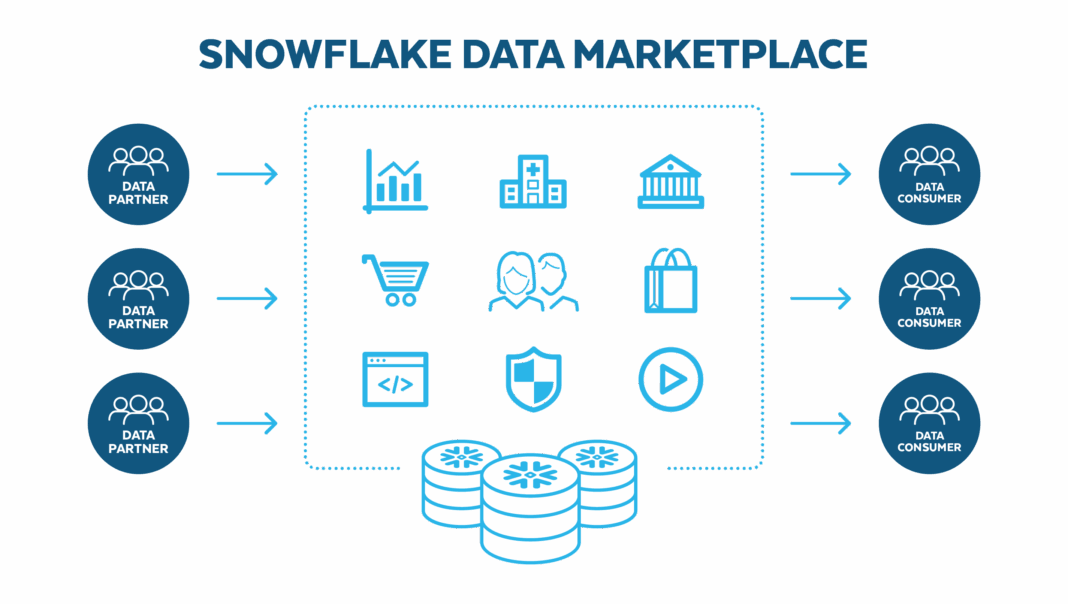
The primary function of a Data Marketplace is to act as a neutral intermediary, connecting data providers with data consumers. Providers can list their proprietary or licensed datasets, ranging from market research and consumer behavior analytics to geospatial data, IoT sensor readings, and anonymized healthcare records. Consumers, in turn, can browse, search, and acquire these datasets to augment their internal data, enrich analytical models, or fuel new product development. This centralized approach replaces often cumbersome, direct bilateral negotiations, streamlining the entire data acquisition process.
Facilitating Secure and API-Driven Transactions
Core to any successful Data Marketplace is the ability to facilitate secure and efficient data transactions. This typically involves:
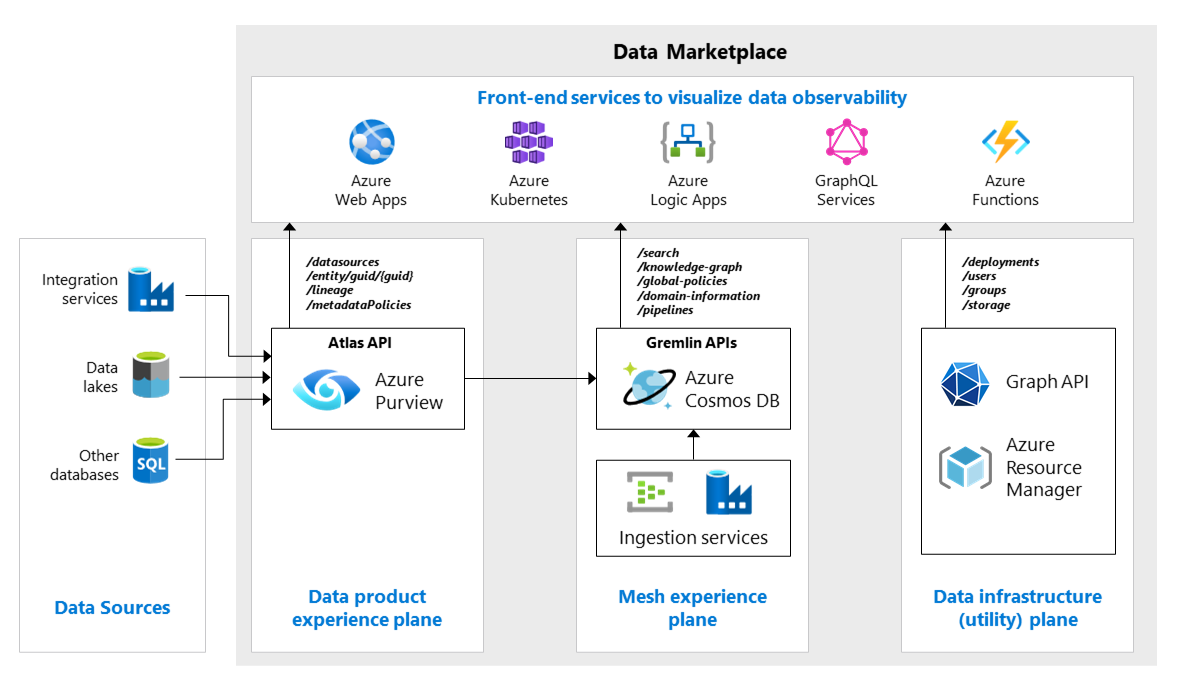
- Data Ingestion and Curation: Providers upload or connect their data, which may undergo initial quality checks, anonymization, and metadata tagging by the marketplace itself to ensure consistency and compliance.
- Discovery and Search: Consumers use advanced search functionalities, filtering by industry, data type, granularity, region, and other relevant metadata to find specific datasets. ML-powered data discovery often enhances this, suggesting relevant datasets based on user queries or past behavior.
- Secure Data Access: Once a transaction is complete, data is delivered through secure channels. This often leverages API-driven access, allowing consumers to programmatically integrate real-time or frequently updated datasets directly into their applications, analytical platforms, or data warehouses. Other methods include secure file transfers or direct database connections.
- Pricing and Monetization Models: Marketplaces support various pricing models, including one-time purchases, subscription-based access, pay-per-query, or usage-based pricing, providing flexibility for both providers and consumers.
Key Features: Robust Data Governance, Security, and Diverse Catalogs
The technical architecture underpins several critical features:
- Robust Data Governance: This is paramount. Marketplaces provide tools for source vetting, ensuring data lineage, auditing access, and enforcing clear data licensing agreements. Features like consent management, anonymization, and pseudonymization techniques are crucial for compliance with regulations like GDPR, CCPA, and HIPAA. Role-based access control (RBAC) ensures that only authorized users or systems can access specific data. Data quality assurance mechanisms are often built-in, from automated checks to community reviews, ensuring reliability.
- Advanced Security Measures: Protecting sensitive information is non-negotiable. This involves end-to-end encryption (at rest and in transit), stringent access controls, identity management, and compliance with industry-standard security certifications. Secure multi-party computation or differential privacy techniques can also be employed for highly sensitive data.
- Diverse Data Catalogs: A rich and well-categorized catalog is vital. Beyond raw data, marketplaces increasingly offer AI/ML-ready datasets, pre-processed and labeled for specific machine learning tasks, significantly reducing the effort for data scientists. Detailed metadata, data dictionaries, and sample datasets empower consumers to thoroughly evaluate data before purchase.
Challenges and Barriers to Adoption
Despite their immense potential, Data Marketplaces face several hurdles:
- Trust and Data Quality: Establishing trust between anonymous parties is critical. Concerns about data accuracy, freshness, and the true source of data can deter adoption. Marketplaces must implement rigorous vetting processes, reputation systems, and transparent data quality metrics.
- Legal and Regulatory Complexity: Navigating the patchwork of global data privacy regulations (GDPR, CCPA, etc.) and industry-specific compliance requirements (e.g., healthcare, finance) is a significant challenge. Ensuring data is shared legally and ethically requires sophisticated consent management and anonymization tools.
- Pricing and Valuation: Determining the fair market value for data is often subjective and complex. Providers may overvalue their data, while consumers seek cost-effective solutions, leading to pricing disagreements. Transparent pricing models and clear value propositions are essential.
- Integration Complexity: While APIs simplify access, integrating external data seamlessly into existing internal data infrastructures, data lakes, or analytical pipelines still requires effort and expertise from consumers. Data format inconsistencies and schema drift remain challenges.
- Vendor Lock-in and Standardization: Reliance on proprietary marketplace platforms could lead to vendor lock-in. A lack of universal data standards across marketplaces can also hinder interoperability and data portability.
Business Value and ROI
The return on investment (ROI) from engaging with a Data Marketplace can be substantial for both buyers and sellers:
- Enhanced Decision-Making: Access to diverse, real-world external data provides deeper market insights, customer behavior patterns, and competitive intelligence, leading to more informed strategic and operational decisions.
- New Revenue Streams: For data providers, monetizing existing, underutilized data assets creates a passive income stream, turning data into a strategic asset that generates direct revenue.
- Accelerated Innovation and Product Development: Buyers can rapidly acquire specialized datasets needed for training AI/ML models, testing new hypotheses, or developing innovative products and services without the time and expense of internal data collection. This significantly reduces time-to-market.
- Reduced Costs and Time-to-Insight: Acquiring data through a marketplace is often more cost-effective and faster than initiating custom data collection projects or forging individual partnerships. It streamlines the entire data acquisition lifecycle.
- Improved Data Quality for AI: By accessing high-quality, pre-curated datasets, businesses can significantly improve the performance and reliability of their AI and machine learning models, leading to better predictive accuracy and operational efficiency.
Comparative Insight: Data Marketplaces vs. Traditional Data Lakes/Warehouses
While Data Marketplaces, data lakes, and data warehouses all deal with data management, their purposes, architectures, and value propositions differ significantly. Understanding these distinctions is crucial for businesses strategizing their data infrastructure.
Traditional Data Warehouses
A data warehouse is a centralized repository for structured, filtered, and processed data, typically sourced from internal operational systems. It’s optimized for historical reporting, business intelligence (BI), and analytical queries. Data is carefully modeled (e.g., star schema) to ensure high query performance and data quality for well-defined use cases. Its primary focus is on internal, historical analysis and providing a single source of truth for structured data.
Traditional Data Lakes
A data lake, in contrast, is designed to store vast amounts of raw, unstructured, semi-structured, and structured data at scale, often for big data analytics, machine learning, and data science initiatives. It offers schema-on-read flexibility, allowing data to be stored in its native format and processed only when needed. While data lakes excel at handling diverse internal data, their primary challenge lies in governance, data quality, and making the raw data readily usable for business users without significant data engineering effort.
The Distinct Role of Data Marketplaces
A Data Marketplace operates in a complementary, yet distinct, domain. Instead of focusing on storing and processing a company’s internal data, a marketplace primarily facilitates the *exchange* of data – predominantly external data sources – between different organizations. Here’s how it contrasts:
- Data Source & Scope:
- Lakes/Warehouses: Primarily internal data, with some ingestion of external sources (often integrated and stored internally).
- Marketplaces: Exclusively external data, focusing on aggregating and distributing datasets from various providers to various consumers.
- Purpose:
- Lakes/Warehouses: Internal analytics, reporting, business intelligence, data science, and long-term storage of organizational data.
- Marketplaces: Data acquisition (buying) and data monetization (selling) across organizational boundaries, democratizing access to specialized external intelligence.
- Governance & Curation:
- Lakes/Warehouses: Internal governance frameworks, often complex for data lakes due to raw data, strict for data warehouses.
- Marketplaces: Built-in mechanisms for vetting data providers, ensuring data quality, legal compliance, and standardized licensing for shared data, reducing the burden on individual consumers.
- Access & Integration:
- Lakes/Warehouses: Internal access mechanisms, often requiring specific tools and expertise.
- Marketplaces: Standardized, often API-driven access, simplifying the discovery, evaluation, and integration of external datasets into existing internal systems.
- Value Proposition:
- Lakes/Warehouses: Derive value from an organization’s own data assets, supporting internal operations and strategy.
- Marketplaces: Derive value from external data to augment internal insights, create new revenue streams, and accelerate innovation by leveraging collective intelligence.
In essence, while data lakes and warehouses are the internal engines for an organization’s data strategy, the Data Marketplace acts as the crucial external gateway, enabling businesses to participate in a broader data economy. They are not mutually exclusive; rather, a robust internal data infrastructure (data lake/warehouse) often serves as the landing zone for valuable external data acquired from a marketplace, allowing for deeper integration and analysis.

World2Data Verdict: The Imperative for Data-Driven Ecosystems
The rise of the Data Marketplace signifies a fundamental shift in how digital businesses perceive and leverage data. It moves beyond internal silos to embrace a collaborative, ecosystem-driven approach to information acquisition and monetization. For any organization aiming to remain competitive in an increasingly data-saturated world, participation in or strategic utilization of a Data Marketplace is no longer optional—it’s imperative.
World2Data.com recommends that enterprises meticulously evaluate existing data marketplaces, prioritizing platforms that offer robust data governance, stringent security protocols, transparent licensing, and a diverse, high-quality catalog of AI/ML-ready datasets. Furthermore, businesses should actively explore opportunities to become data providers themselves, unlocking new revenue streams and establishing their authority within specific data domains. The future of digital business is intrinsically linked to the efficient, secure, and broad exchange of data facilitated by these evolving platforms, shaping a more connected and data-rich world. Embracing the Data Marketplace is about more than just buying and selling data; it’s about investing in agility, innovation, and a sustainable competitive advantage in the data economy.