


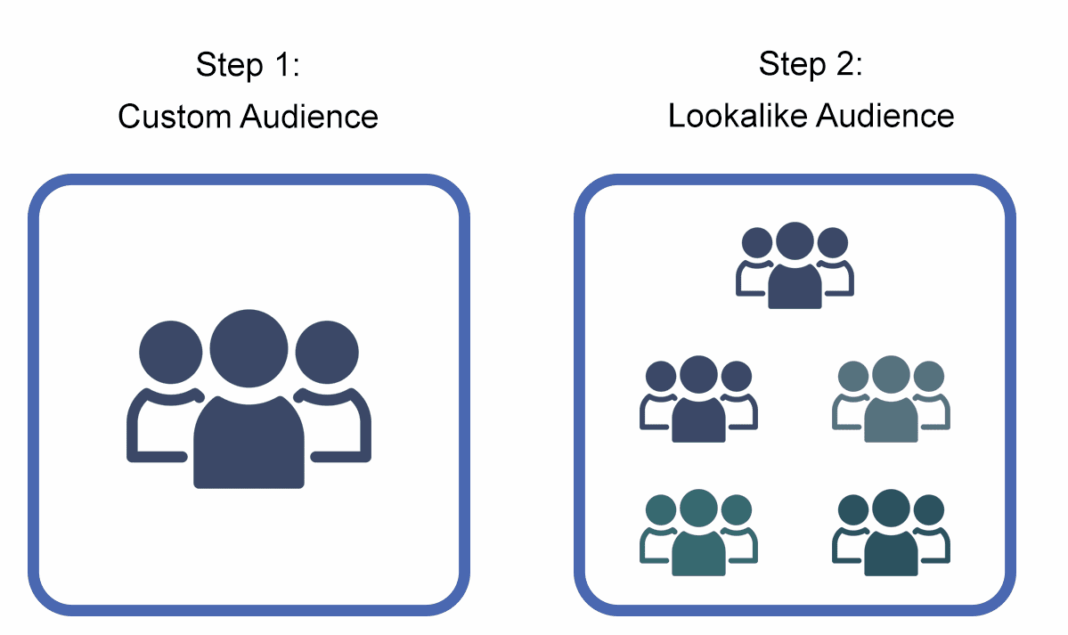
Lookalike Audiences: Expanding Reach with Smart Targeting for Unprecedented Growth
In today’s fiercely competitive digital marketing landscape, understanding and leveraging powerful tools is crucial for sustainable growth. Lookalike Audiences stand out as a revolutionary strategy for marketers aiming to expand their reach efficiently and effectively. This intelligent targeting method allows businesses to connect with new prospects who share characteristics with their existing best customers, amplifying campaign success. At its core, this approach leverages sophisticated machine learning to replicate the profile of your ideal customer, serving as a cornerstone for modern advertising platforms and customer data platforms alike.
Introduction: The Dawn of Intelligent Audience Expansion with Lookalike Audiences
The digital advertising ecosystem is in constant flux, demanding ever more precise and efficient methods for reaching target consumers. Traditional demographic and interest-based targeting, while still relevant, often fall short in identifying truly high-potential prospects. This is where Lookalike Audiences emerge as a game-changer. By harnessing the power of Machine Learning Algorithms, Predictive Analytics, and Big Data Processing, advertising platforms and Customer Data Platforms (CDPs) have evolved to offer a sophisticated solution: the ability to find new individuals whose online behavior, interests, and demographics closely mirror those of a predefined source audience. This innovative approach moves beyond guesswork, providing a data-driven path to discover new customers who are statistically more likely to engage with and convert on your offerings.
From an architectural standpoint, the creation of Lookalike Audiences is a prime example of advanced AI/ML integration in marketing technology. Built-in ML for audience modeling, predictive targeting, and behavioral analytics are central to their functionality. These platforms analyze vast datasets—from website visits and app usage to purchase histories and engagement metrics—to construct a highly accurate profile of your ideal customer. They then scour their extensive networks to identify individuals who exhibit similar patterns, allowing marketers to scale their campaigns with unprecedented precision and relevance. This shift represents a significant leap from traditional segmentation, enabling a more intelligent and effective way to expand market reach.
Core Breakdown: Deconstructing the Power of Lookalike Audiences
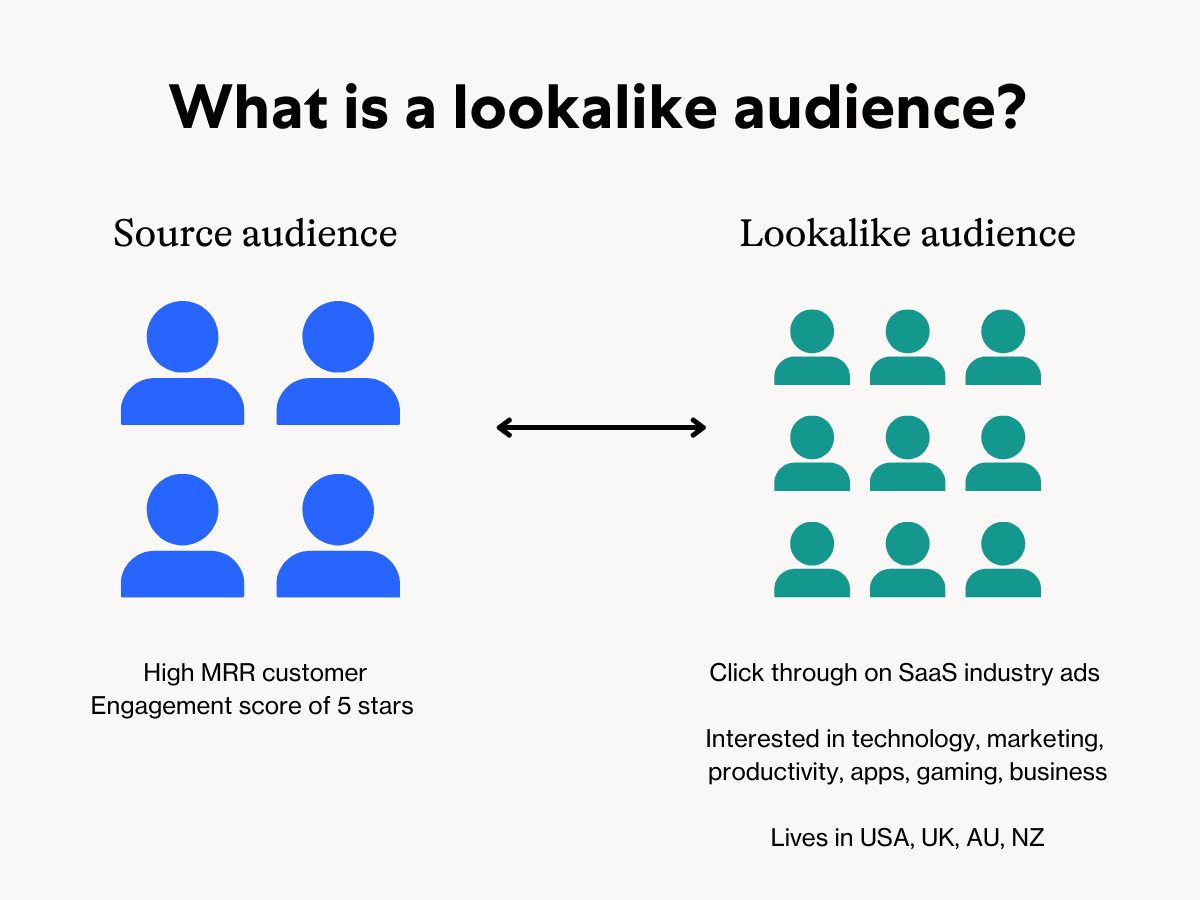
The effectiveness of Lookalike Audiences stems from their intricate underlying mechanics and the quality of the data that fuels them. Fundamentally, these audiences are generated by feeding a “seed” or “source” audience into an advertising platform’s algorithms. This source audience can be highly varied, ranging from existing customer lists (e.g., email subscribers, purchasers, high-value clients) to website visitors, app users, or even individuals who have engaged with your social media content. The platform then takes this source data and identifies common attributes, behaviors, and demographic patterns among these individuals. Using powerful Machine Learning Algorithms, it processes Big Data to build a comprehensive profile and then searches its broader user base for new individuals who exhibit similar characteristics. This process of Audience Segmentation, driven by Predictive Analytics, ensures that the newly identified audience shares a high statistical likelihood of having similar interests and intent as your proven customers.
Key Components and Best Practices for Source Data
- High-Value Customer Data: The richer and more granular your source data, the more effective your Lookalike Audience will be. Focusing on customers who have completed high-value actions—such as repeat purchases, long-term subscriptions, high average order value, or deep engagement with your product/service—provides a stronger signal for the algorithms. These are the individuals whose traits you want to replicate.
- Website Visitor Insights: Beyond just general visitors, consider segmenting based on specific actions. Source audiences could include users who added items to their cart but didn’t purchase, viewed specific product pages, spent a significant amount of time on your site, or completed a key conversion event like downloading an ebook.
- App User Behaviors: For mobile-first businesses, leveraging data from highly engaged app users, those who completed in-app purchases, or achieved certain milestones can generate highly potent Lookalike Audiences.
- Social Media Engagement: Even those who have simply watched a significant portion of your video content or interacted with your posts can serve as a valuable source, indicating a baseline level of interest.
- Data Quality and Size: The quality and size of your source audience directly impact the accuracy and reach of the Lookalike. A clean, well-segmented list of at least 1,000 (and ideally much more) high-quality individuals is often recommended as a starting point, though specific platform requirements may vary.
Challenges and Barriers to Adoption
While the promise of Lookalike Audiences is significant, their effective implementation is not without hurdles:
- Data Quality and Quantity: As emphasized, poor quality or insufficient source data can lead to inaccurate Lookalike models, resulting in wasted ad spend. Businesses must invest in robust data collection and cleansing processes.
- Over-Reliance and Audience Fatigue: Continuously targeting the same Lookalike Audience without refreshing the source or diversifying the message can lead to ad fatigue, diminishing returns, and increased costs.
- Privacy Concerns and Data Compliance: With increasing emphasis on Data Privacy Controls, Consent Management, and Data Anonymization, marketers must ensure that their source data is collected and used in full compliance with regulations like GDPR, CCPA, and others. Missteps here can lead to significant legal and reputational damage. Regulatory Compliance is not just a checkbox; it’s a foundational principle.
- Algorithmic Black Boxes: The exact mechanisms by which platforms generate Lookalike Audiences are often proprietary. This “black box” nature can make it challenging for marketers to fully understand why certain audiences perform well or how to precisely optimize their source data for better outcomes.
- Dynamic Market Shifts: Consumer behaviors and preferences are constantly evolving. A Lookalike Audience that performed exceptionally well last quarter might underperform this quarter if market trends or competitive landscapes have shifted significantly. Continuous monitoring and refreshing are essential.
Business Value and ROI
Despite the challenges, the Return on Investment (ROI) derived from well-executed Lookalike Audience campaigns can be transformative:
- Enhanced Audience Relevance and Higher Conversion Rates: By targeting individuals who closely resemble existing customers, ads resonate more deeply, leading to higher click-through rates (CTRs) and conversion rates.
- Cost-Effective Customer Acquisition: More relevant targeting means less wasted ad impressions, driving down Customer Acquisition Costs (CAC) and improving overall ad spend efficiency.
- Broader Market Penetration and New Customer Discovery: Lookalikes enable brands to uncover new segments and expand their reach beyond their immediate known audience, discovering unforeseen pockets of potential customers.
- Faster Campaign Scaling: Once a high-performing Lookalike Audience is identified, campaigns can be scaled more quickly and confidently, accelerating growth.
- Improved Data Quality for AI: The insights gained from Lookalike performance can feedback into a company’s broader data strategy, improving the quality and utility of data for future AI initiatives.
Comparative Insight: Lookalike Audiences vs. Traditional Targeting Methods
Understanding the unique advantages of Lookalike Audiences becomes clearer when juxtaposed against more traditional targeting methodologies. For decades, marketers primarily relied on broad demographic, interest-based, or contextual targeting. While these methods still hold value, Lookalikes offer a leap forward in precision and efficiency.
Demographic Targeting, which focuses on attributes like age, gender, income, and location, provides a foundational layer for audience segmentation. However, it often assumes that individuals within a certain demographic bracket will behave similarly, which is rarely the case in a nuanced digital world. A 30-year-old male in New York might have vastly different interests and purchasing habits than another 30-year-old male in the same city.
Interest-Based Targeting, which targets users based on their declared or inferred interests (e.g., “tech enthusiasts,” “fitness buffs”), offers a step up from pure demographics. Platforms infer these interests from browsing history, engagement with specific content, and self-reported data. While more refined, these categories can still be quite broad and may capture individuals who have a passive interest but lack purchasing intent. The “tech enthusiast” category might include someone who occasionally reads tech blogs but never buys new gadgets.
Contextual Targeting, which places ads on websites or content relevant to the ad’s theme, is effective for brand safety and initial awareness. An ad for running shoes appearing on a marathon training blog makes sense. However, it doesn’t leverage user behavior or characteristics, potentially missing interested individuals who consume content outside of directly relevant contexts.
Lookalike Audiences transcend these limitations by combining elements of all three while adding a powerful layer of predictive analytics and behavioral modeling. Instead of simply guessing who might be interested based on broad categories, Lookalikes identify individuals who *behave* like your best customers. This isn’t just about “who they are” or “what they like” in general, but “how they interact with similar products/services.” This behavioral similarity is a far stronger indicator of future intent and propensity to convert.
Furthermore, Lookalikes solve the challenge of scalability. Once you identify a high-value source audience, platforms can typically generate millions of potential Lookalike prospects, allowing for significant campaign expansion without a proportional drop in relevance. Traditional methods, when scaled broadly, often lead to rapidly diminishing returns as targeting becomes too generic.
It’s important to note that Lookalike Audiences are not designed to entirely replace traditional methods but rather to complement and enhance them. A highly effective strategy often involves layering Lookalikes with demographic filters (e.g., targeting a Lookalike Audience within a specific age range or geographic region) or combining them with interest-based targeting to further refine reach. This synergistic approach maximizes precision and campaign performance, offering marketers an unparalleled toolkit for audience expansion.
Navigating the Competitive Landscape and Future of Lookalike Audiences
The ubiquity and effectiveness of Lookalike Audiences have made them a standard feature across virtually all major digital advertising platforms and even Customer Data Platforms (CDPs). Key players such as Meta Ads (spanning Facebook and Instagram), Google Ads, TikTok Ads, and LinkedIn Ads each offer their own powerful iterations of this technology, albeit with platform-specific nuances regarding data sources, algorithmic sophistication, and targeting options. For instance, Meta’s Lookalike Audiences are renowned for their robust capabilities stemming from its vast user data, while LinkedIn’s equivalent leverages professional demographic and behavioral data, making it ideal for B2B targeting. Various Demand-Side Platforms (DSPs) also integrate Lookalike capabilities, often drawing on third-party data segments to create tailored audiences across a broader programmatic advertising landscape.
The competitive environment drives continuous innovation in how these platforms develop and refine their audience modeling. The future of Lookalike Audiences will likely see even greater sophistication in AI and machine learning, leading to more granular and predictive models. We can expect enhanced capabilities in:
- Privacy-Centric Lookalikes: With increasing data privacy regulations and the deprecation of third-party cookies, platforms will pivot towards privacy-preserving techniques. This might involve more reliance on first-party data, federated learning, or advanced anonymization methods to create Lookalikes without compromising user privacy.
- Cross-Platform Integration: Marketers will increasingly seek solutions that allow for a more unified view and activation of Lookalike Audiences across different channels, moving beyond platform-specific silos. Customer Data Platforms (CDPs) will play a crucial role in aggregating and harmonizing first-party data to create unified source audiences that can then be pushed to various ad platforms for Lookalike generation.
- Real-time Behavioral Analytics: The ability to generate Lookalikes based on very recent or real-time user behavior will become more prevalent, allowing for highly dynamic and responsive targeting strategies.
- Predictive Intent Modeling: Beyond just matching characteristics, future Lookalikes will likely integrate more advanced predictive intent modeling, identifying users not just similar to your customers, but those exhibiting signals that suggest an imminent purchase or conversion.
- Visual and Audio-Based Lookalikes: As AI advances in processing multimodal data, we might see Lookalikes based on engagement with specific visual content (e.g., identifying users who interact with similar aesthetics) or audio content, expanding the definition of “behavioral similarity.”

World2Data Verdict: The Indispensable Role of Lookalike Audiences in Modern Marketing
The journey through the intricacies of Lookalike Audiences underscores their profound impact on modern digital marketing. Far from being a mere trend, they represent a fundamental paradigm shift in how businesses approach audience expansion and customer acquisition. By leveraging sophisticated machine learning and big data processing, Lookalikes empower marketers to transcend the limitations of traditional targeting, connecting with new prospects who genuinely mirror the attributes and behaviors of their most valuable existing customers.
At World2Data, our verdict is clear: Lookalike Audiences are not just an advantageous tool; they are an indispensable component of any robust digital marketing strategy. Their ability to deliver enhanced relevance, optimize ad spend, and accelerate growth makes them a cornerstone for businesses striving for sustainable competitive advantage. However, unlocking their full potential requires strategic foresight and diligent execution.
Our recommendation for businesses is to prioritize data quality and strategic thinking. Invest in gathering clean, robust first-party data to create highly segmented and high-value source audiences. Continuously test and optimize your Lookalike strategies, experimenting with different source data points, percentage matches, and creative variations. Moreover, integrate Lookalike Audiences intelligently within your broader marketing funnel, using them not in isolation but as a powerful amplifier for other targeting efforts. The synergy between Lookalikes and other segmentation methods often yields the most impactful results.
Looking ahead, the evolution of Lookalike Audiences will be inextricably linked to advancements in AI, privacy-enhancing technologies, and cross-platform data unification. As advertising platforms become more sophisticated and data regulations tighten, the emphasis will shift towards more ethical, transparent, and privacy-conscious methods of audience modeling. Brands that proactively embrace these changes, prioritize first-party data, and continually refine their Lookalike strategies will be best positioned to navigate the evolving digital landscape, ensuring their message resonates with the right audience at the right time, thereby securing unprecedented growth in the age of intelligent targeting.