


Operational Analytics: Supercharging Organizational Efficiency and Agility
Operational Analytics is rapidly transforming how businesses operate, shifting the paradigm from retrospective reporting to real-time, actionable insights. By harnessing the power of dynamic data, organizations can convert raw information into immediate strategic advantages, driving unprecedented efficiency and fostering a culture of proactive decision-making across every department. This deep dive explores how leveraging real-time data is not just an advantage, but a necessity for sustained growth and competitiveness in today’s fast-paced business landscape.
Introduction: Driving Real-Time Decision-Making with Operational Analytics
In an increasingly competitive and data-rich world, the ability to act swiftly and decisively is paramount. Traditional business intelligence (BI) systems, while invaluable for historical analysis and strategic planning, often fall short when immediate operational adjustments are required. This is precisely where Operational Analytics steps in, bridging the critical gap between data and action. It empowers frontline teams and operational managers with instant visibility into their performance metrics, process flows, and customer interactions, fostering autonomy and enabling quicker, more informed problem-solving at the point of impact.
The core objective of Operational Analytics is to move beyond simply understanding “what happened” to actively influencing “what is happening now” and even “what is likely to happen next.” It integrates data directly into day-to-day operations, ensuring that every decision, from inventory restocking to customer service responses, is grounded in the most current and relevant information. This profound shift not only enhances responsiveness to dynamic market conditions but also cultivates a more agile and data-driven organizational culture, positioning businesses for continuous improvement and sustainable growth.
Core Breakdown: Architecture, Components, and Impact of Operational Analytics
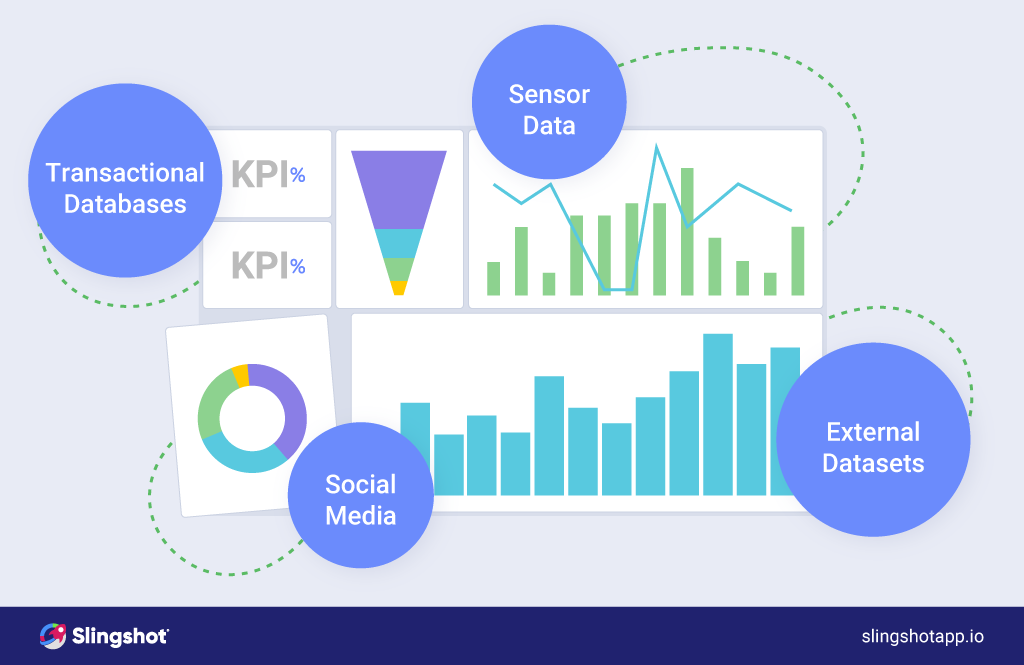
Operational Analytics represents a sophisticated evolution in data utilization, designed to extract immediate value from data streams. Its architecture and components are engineered for speed, agility, and direct integration into operational workflows. At its heart, Operational Analytics leverages modern data platforms and technologies to process, analyze, and deliver insights in real time.
Platform Categories and Core Technologies
The foundation of effective Operational Analytics typically rests on a blend of advanced platform categories and core technologies:
- Real-time Analytics Platforms: These are purpose-built to ingest, process, and analyze data as it arrives, providing sub-second latency for insights.
- Business Intelligence Tools: While traditional BI focuses on retrospective analysis, modern BI tools often incorporate real-time dashboards and alerting capabilities, acting as the user interface layer for operational insights.
- Data Warehouses & Data Lakehouses: While often associated with batch processing, these modern platforms can store vast amounts of diverse data, serving as a robust foundation for both historical and operational analysis when integrated with streaming components.
- Operational Data Stores (ODS): These are specialized databases optimized for real-time transactional data, often acting as an intermediate layer between source systems and analytical platforms.
- Workflow Automation Platforms: Integrating analytics with these platforms allows for automated actions based on real-time insights, closing the loop between data and operational response.
Underpinning these platforms are crucial technological enablers:
- Event-driven Architecture: A design pattern where services react to events (e.g., a new order, a sensor reading), enabling real-time data flow.
- Real-time Data Processing & Streaming Analytics: Technologies like Apache Kafka, Flink, and Spark Streaming are essential for handling high-volume, high-velocity data streams and performing complex analytics on them instantaneously.
- Low-latency Querying: Optimized databases and query engines ensure that insights can be retrieved almost instantly, crucial for operational contexts.
- Embedded Analytics: Integrating analytical dashboards and reports directly into operational applications (e.g., CRM, ERP) makes insights immediately accessible to frontline users.
- Microservices: A development approach that breaks down applications into smaller, independent services, facilitating agile development and scalable real-time processing.
Key Data Governance Features for Operational Analytics
For Operational Analytics to be reliable and trustworthy, robust data governance is non-negotiable:
- Data Lineage Tracking: Understanding the origin, transformations, and destinations of data is critical for validating insights and ensuring compliance.
- Access Control Lists (ACLs): Granular controls on who can access what data, ensuring security and privacy, especially with sensitive operational data.
- Data Anonymization & Data Masking: Protecting sensitive customer or operational data while still allowing for meaningful analysis.
- Audit Logs: Maintaining a record of data access and changes for accountability and compliance.
- Data Quality Monitoring: Continuous monitoring for anomalies, inconsistencies, and errors in data streams to ensure the reliability of real-time insights.
Primary AI/ML Integration
The true power of modern Operational Analytics is unlocked through integration with Artificial Intelligence and Machine Learning:
- Anomaly Detection: ML models can automatically identify unusual patterns in operational data, alerting teams to potential issues like equipment failure, fraudulent transactions, or security breaches before they escalate.
- Predictive Maintenance: By analyzing sensor data and historical performance, ML can predict when equipment is likely to fail, enabling proactive maintenance and reducing downtime.
- Process Optimization with ML: Machine learning algorithms can analyze complex operational processes in real time, recommending adjustments to improve efficiency, throughput, or resource utilization.
- Automated Alerting: AI-driven systems can generate intelligent alerts, notifying relevant personnel of critical operational events or performance deviations.
- Recommender Systems: In customer-facing operations, ML can provide real-time recommendations to agents, improving cross-selling, up-selling, or troubleshooting effectiveness.
- Machine Learning Operations (MLOps) Integration: Ensuring that ML models used in operational analytics are continuously monitored, updated, and deployed reliably, maintaining their accuracy and relevance.
Challenges and Barriers to Adoption
Despite its immense potential, implementing Operational Analytics is not without its hurdles:
- Data Integration Complexity: Integrating disparate data sources, often from legacy systems, in real time can be a significant technical challenge. Data formats, schemas, and velocities often vary widely.
- Data Quality and Consistency: Real-time data streams can be noisy, incomplete, or inconsistent. Ensuring high data quality at speed is crucial but difficult.
- Scalability and Performance: Processing and analyzing massive volumes of streaming data in real time requires highly scalable infrastructure and optimized algorithms, which can be costly and complex to manage.
- Skill Gaps: Organizations often lack the in-house expertise in areas like stream processing, real-time database management, MLOps, and event-driven architectures.
- Cultural Resistance: Shifting from a retrospective, batch-oriented mindset to a real-time, proactive culture requires significant change management and training. Decision-makers may be accustomed to traditional reporting cycles.
- Cost of Implementation: The initial investment in real-time infrastructure, specialized software, and skilled personnel can be substantial.
Business Value and ROI
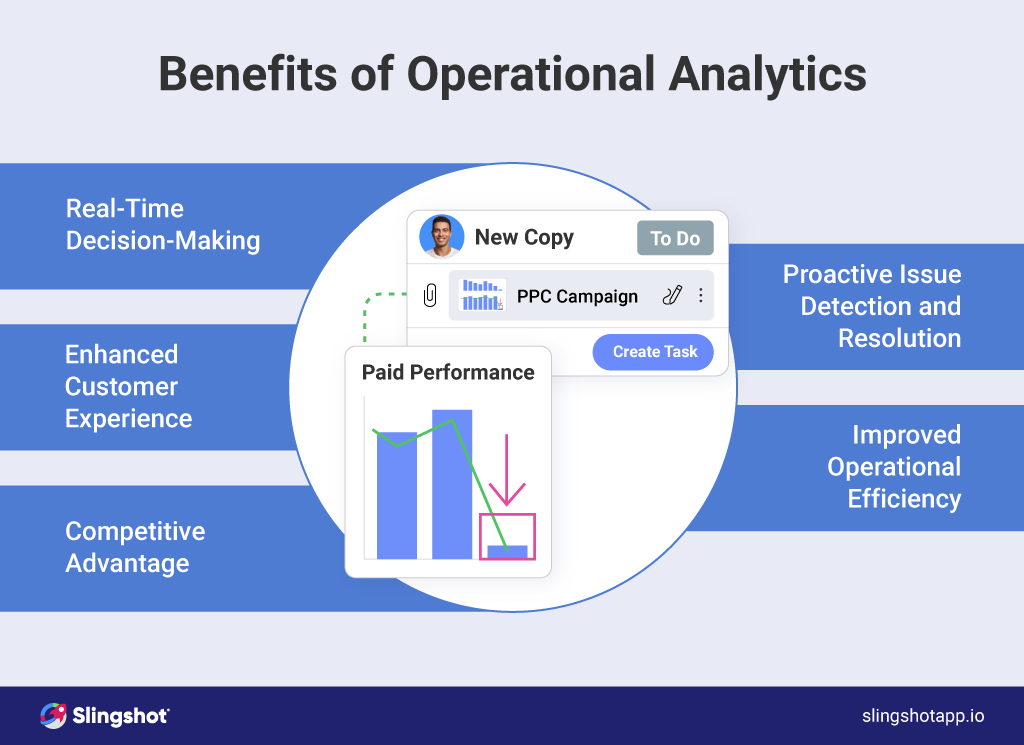
Overcoming these challenges unlocks profound business value and a compelling return on investment:
- Faster Model Deployment: By providing immediate insights and feedback loops, Operational Analytics can significantly accelerate the iteration and deployment cycles for AI/ML models.
- Enhanced Data Quality for AI: Continuous monitoring of operational data streams helps identify and rectify data quality issues proactively, ensuring that AI models are trained and operate on reliable information.
- Proactive Problem Solving: Real-time alerts and insights allow teams to identify and address issues like system failures, customer churn indicators, or supply chain disruptions before they escalate, minimizing impact and cost.
- Optimized Resource Allocation and Cost Savings: Precise forecasting, real-time inventory management, and identification of operational bottlenecks lead to reduced waste, lower carrying costs, and efficient deployment of personnel and assets.
- Superior Customer Experience: Real-time insights into customer behavior enable personalized interactions, proactive support, and immediate resolution of issues, leading to higher satisfaction and loyalty.
- Increased Operational Efficiency: Continuous monitoring and optimization of processes, powered by real-time data, eliminate bottlenecks, streamline workflows, and improve overall throughput.
- Competitive Advantage: Organizations capable of making faster, data-driven decisions gain a significant edge in responding to market changes, innovating products, and optimizing pricing strategies.
Comparative Insight: Operational Analytics vs. Traditional Data Lakes/Data Warehouses
While often coexisting within a modern data ecosystem, Operational Analytics fundamentally differs from traditional data lakes and data warehouses in its primary objective, data characteristics, and consumption patterns. Understanding these distinctions is crucial for architecting an effective data strategy.
Traditional Data Warehouses (DWs) are built for structured, historical data analysis. They consolidate data from various sources, transform it into a consistent schema, and store it for retrospective reporting, strategic planning, and complex querying. Data in a DW is typically loaded in batches (daily, weekly), making it ideal for answering questions like “What were our sales last quarter?” or “How did our marketing campaigns perform last year?” The focus is on consistency, reliability, and providing a single source of truth for historical business performance.
Data Lakes, on the other hand, are designed to store vast quantities of raw, unstructured, semi-structured, and structured data at scale. They offer flexibility for various analytical workloads, including advanced analytics, machine learning, and data science experiments. Data in a data lake can be ingested in real time, but the processing and analysis for actionable insights often occur in batch or near-real-time, typically for exploration or building models, not for immediate operational interventions. They answer questions like “What patterns can we discover in all our customer interaction data?”
Operational Analytics, in contrast, focuses squarely on the “now.” Its purpose is to provide immediate, actionable insights that directly influence ongoing business processes. It thrives on real-time data streams, often processing high-velocity, high-volume data points directly from operational systems, IoT devices, or user interactions. Unlike DWs that focus on reporting past events, or data lakes that provide raw material for future insights, Operational Analytics triggers alerts, automates actions, or guides real-time decisions (e.g., “Adjust inventory in aisle 5 now,” “Send a personalized offer to this customer immediately,” “Flag this transaction for fraud investigation”).
Key differentiating factors include:
- Time Horizon: DW/Data Lake = historical/retrospective, Operational Analytics = real-time/prospective.
- Data Latency: DW/Data Lake = hours/days, Operational Analytics = milliseconds/seconds.
- Data Granularity: Both can handle fine granularity, but Operational Analytics prioritizes the freshest data points for immediate action.
- Consumption: DW/Data Lake = business analysts, data scientists, executives for strategic decisions. Operational Analytics = frontline employees, operational managers, automated systems for tactical actions.
- Architecture: DW/Data Lake often involves ETL/ELT batch processes. Operational Analytics heavily relies on streaming architectures, event-driven processing, and low-latency databases.
In essence, while data lakes and data warehouses build the institutional memory and strategic intelligence of an organization, Operational Analytics provides the nervous system, enabling real-time reflexes and continuous adaptation. A truly mature data strategy integrates all three, allowing for both strategic foresight and immediate operational agility.

World2Data Verdict: Embracing a Proactive Future with Operational Analytics
The trajectory of business success in the digital age is inextricably linked to the intelligent use of data. World2Data’s verdict is clear: Operational Analytics is not merely an optional upgrade but a fundamental requirement for organizations striving for sustained growth, competitive advantage, and true agility. The era of reactive decision-making based on yesterday’s reports is rapidly fading. The future belongs to those who can harness the torrent of real-time data, transforming it into immediate, actionable intelligence that permeates every layer of the enterprise.
We recommend that organizations prioritize investments in the foundational technologies required for robust Operational Analytics, including event-driven architectures, streaming data platforms, and advanced AI/ML capabilities for anomaly detection and predictive insights. Beyond technology, cultivate a data-driven culture that empowers operational teams to leverage real-time information for continuous improvement. By integrating Operational Analytics deeply into daily workflows, businesses can move beyond efficiency gains to foster a dynamic, self-optimizing ecosystem, ensuring they are always one step ahead in a rapidly evolving market. The commitment to operational analytics today is a commitment to a more resilient, responsive, and profitable tomorrow.